


How to install a light - duty fire pump in a confined space?
Oct 20, 2026
Leave a message
Installing a light - duty fire pump in a confined space can be a challenging yet crucial task. As a supplier of light - duty fire pumps, I have witnessed the importance of proper installation in ensuring the effectiveness of fire protection systems. In this blog, I will share some key steps and considerations for installing a light - duty fire pump in a confined space.
Pre - installation Preparation
Before starting the installation process, it is essential to conduct a thorough assessment of the confined space. Measure the dimensions of the space to ensure that the fire pump can fit properly. Check for any potential obstacles such as pipes, cables, or structural elements that may interfere with the installation.
It is also important to review the manufacturer's installation manual for the specific light - duty fire pump you are using. Different models may have different installation requirements, and following the manual is crucial for a safe and successful installation.
Selecting the Right Fire Pump
As a light - duty fire pump supplier, I understand the importance of choosing the right pump for the job. For confined spaces, pumps with a compact design are often preferred. Our Forest Fire Pump is an excellent choice. It is designed to be lightweight and easy to install, making it suitable for use in tight spaces.
Another option is our Detachable Four - stage Centrifugal Water Pump. This pump can be disassembled into smaller parts, which is very convenient for installation in confined areas.
Site Preparation
Once you have selected the appropriate fire pump, the next step is to prepare the installation site. Clean the area thoroughly to remove any dirt, debris, or dust. This will help prevent any contaminants from entering the pump and causing damage.
Mark the location where the fire pump will be installed. Ensure that the surface is level and stable. If necessary, use shims to adjust the level of the pump. A level surface is important to ensure the proper operation of the pump and to prevent excessive vibration.
Mounting the Fire Pump
Carefully lift the fire pump into the marked location. If the pump is heavy, use appropriate lifting equipment such as a hoist or a forklift. Make sure to follow all safety procedures when using lifting equipment.
Secure the fire pump to the mounting surface using the appropriate bolts and nuts. Tighten the bolts evenly to ensure a secure fit. Check the alignment of the pump to make sure it is straight and properly positioned.
Connecting the Pipes
Connect the inlet and outlet pipes to the fire pump. Use high - quality pipes and fittings that are compatible with the pump. Make sure the connections are tight and leak - free.
For the inlet pipe, ensure that it is properly submerged in the water source. This will prevent air from entering the pump and causing cavitation. The outlet pipe should be connected to the fire sprinkler system or other fire - fighting equipment.
Electrical Connections
If the fire pump is electrically powered, it is important to make the electrical connections correctly. Follow the electrical wiring diagram provided in the installation manual. Use appropriate electrical cables and connectors.
Ensure that the electrical system is properly grounded to prevent electrical shock. It is recommended to have a qualified electrician perform the electrical connections to ensure safety.
Testing the Fire Pump
After the installation is complete, it is crucial to test the fire pump. Fill the pump with water to prime it. Start the pump and check for any leaks or abnormal noises. Monitor the pressure and flow rate to ensure that the pump is operating within the specified range.
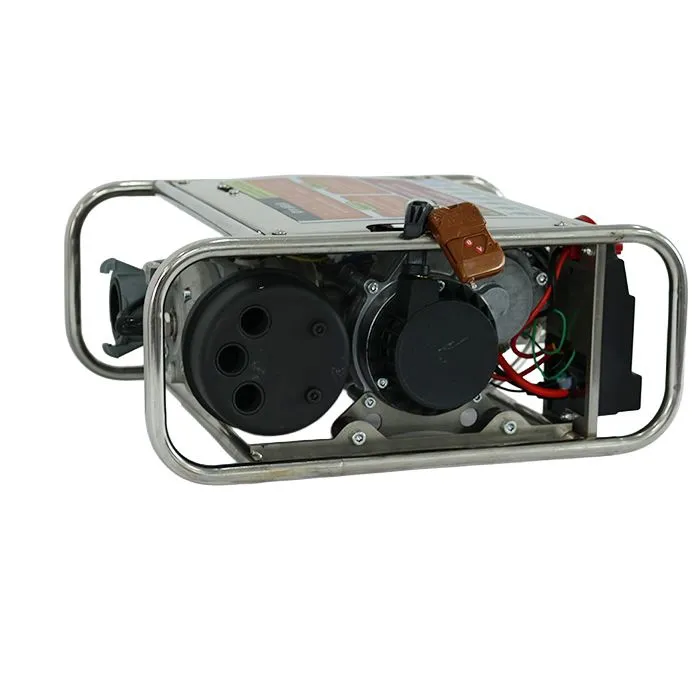
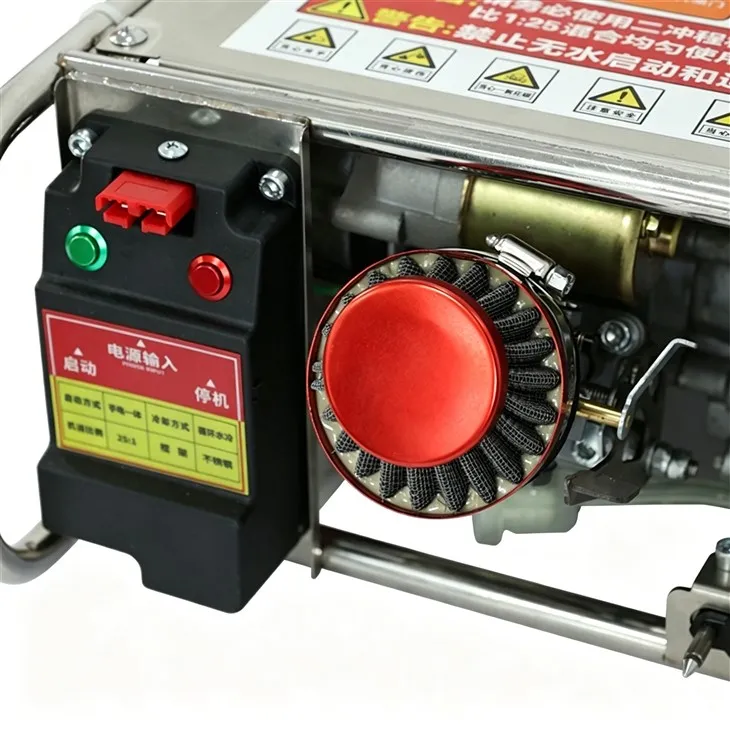
Perform a fire - simulation test if possible. This will help verify the effectiveness of the fire pump in a real - world scenario. Make any necessary adjustments to the pump or the system based on the test results.
Maintenance and Inspection
Regular maintenance and inspection are essential for the long - term performance of the fire pump. Develop a maintenance schedule and follow it diligently. This may include tasks such as checking the oil level, inspecting the belts and bearings, and cleaning the pump.
Inspect the pump and the associated piping regularly for any signs of wear, damage, or corrosion. Replace any worn or damaged parts immediately to prevent system failures.
Challenges in Confined Space Installation
Installing a fire pump in a confined space presents several challenges. Limited access can make it difficult to maneuver the pump and the tools. There may also be issues with ventilation, which can affect the performance of the pump and the safety of the installation personnel.
To overcome these challenges, it is important to plan the installation carefully. Use specialized tools and equipment that are designed for use in confined spaces. Ensure that the installation area is well - ventilated to prevent the build - up of fumes or gases.
Safety Considerations
Safety should always be the top priority when installing a fire pump in a confined space. Wear appropriate personal protective equipment (PPE) such as safety glasses, gloves, and hard hats. Follow all safety procedures and guidelines provided by the manufacturer and relevant safety regulations.
Before entering the confined space, conduct a risk assessment to identify any potential hazards. Have a rescue plan in place in case of an emergency.
Conclusion
Installing a light - duty fire pump in a confined space requires careful planning, the right equipment, and strict adherence to safety procedures. As a light - duty fire pump supplier, we offer a range of pumps such as the Forest Fire Pump, Detachable Four - stage Centrifugal Water Pump, and Emergency Fire Pumps that are suitable for confined space installations.
If you are in need of a light - duty fire pump or have any questions about the installation process, please feel free to contact us for further discussion and potential procurement. We are committed to providing high - quality fire protection solutions and professional support.
References
- Manufacturer's installation manuals for light - duty fire pumps.
- Safety regulations and guidelines for confined space work.
- Industry standards for fire pump installation and maintenance.
Send Inquiry