


Can a firefighting blower be used in a small - scale fire?
Aug 31, 2026
Leave a message
Can a firefighting blower be used in a small - scale fire?
As a supplier of firefighting equipment, especially Firefighting Blower, I often receive inquiries from customers about the practical application of these devices, particularly in small - scale fires. In this blog, I'll explore whether a firefighting blower can be effectively used in such scenarios.
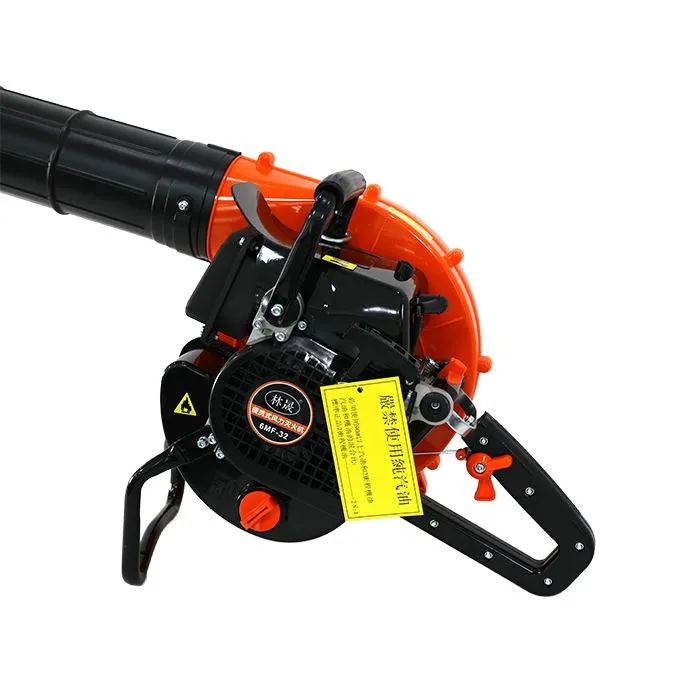
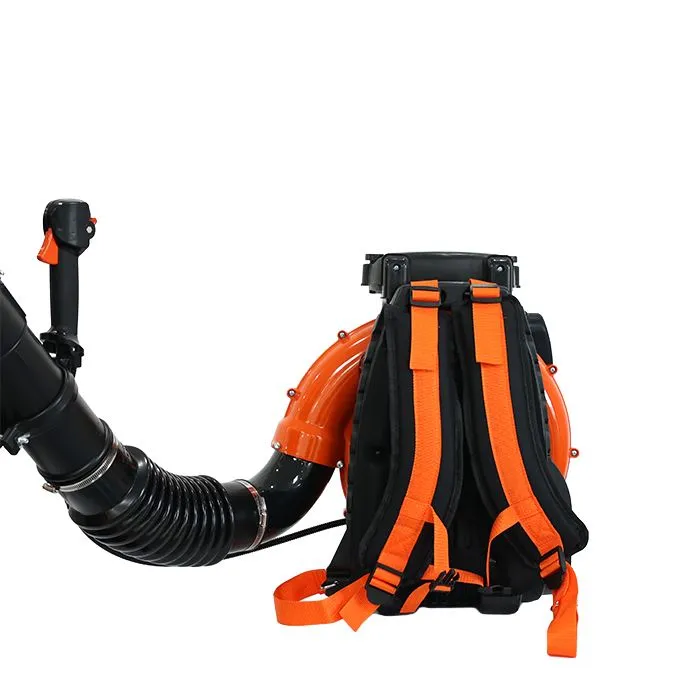
Understanding the Function of a Firefighting Blower
A firefighting blower is a specialized piece of equipment designed to generate a high - velocity stream of air. This air stream serves multiple purposes in fire - fighting operations. Firstly, it can be used to disperse smoke, which is crucial for improving visibility in a fire - affected area. Secondly, and more importantly, it can disrupt the fire's oxygen supply and blow away burning embers, thereby helping to control and extinguish the fire.
Suitability for Small - Scale Fires
Advantages
- Portability and Maneuverability: One of the key advantages of using a firefighting blower in a small - scale fire is its portability. Our Portable Wind - powered Fire Extinguisher is lightweight and easy to carry, allowing firefighters or individuals to quickly move it to the site of the fire. This is especially useful in small spaces such as offices, small warehouses, or even domestic settings where a fire may break out.
- Non - Chemical Extinguishing Method: Unlike traditional fire extinguishers that use chemical agents, a firefighting blower relies on the power of air. This makes it an environmentally friendly option, especially for small - scale fires where the use of chemicals may not be desirable. For example, in a small library or a museum, using a chemical fire extinguisher could damage valuable books or artifacts, while a blower can effectively extinguish the fire without leaving any harmful residues.
- Cost - Effective: Firefighting blowers are generally more cost - effective than some other types of fire - fighting equipment. They have a relatively low purchase price and require minimal maintenance. This makes them an attractive option for small businesses or homeowners who want to have a reliable fire - fighting solution on hand without breaking the bank.
Limitations
- Limited Fire - Fighting Capacity: While a firefighting blower can be effective in small - scale fires, it has its limitations. It is not suitable for large - scale fires, such as those in industrial facilities or large buildings. The air stream generated by the blower may not be sufficient to overcome the intense heat and large volume of fire in such situations.
- Dependence on Wind Direction: The effectiveness of a firefighting blower is highly dependent on the wind direction. If the wind is blowing in the wrong direction, the blower may actually spread the fire instead of extinguishing it. This requires the operator to have a good understanding of the wind conditions and be able to position the blower correctly.
- Not Suitable for All Types of Fires: Firefighting blowers are most effective for Class A fires (fires involving ordinary combustibles such as wood, paper, and cloth). They are less effective for Class B (flammable liquids), Class C (energized electrical equipment), and Class D (combustible metals) fires. In these cases, other types of fire - fighting equipment may be more appropriate.
Practical Applications in Small - Scale Fires
- Office Fires: In an office environment, small fires can occur due to electrical malfunctions, overheating equipment, or the improper use of flammable materials. A firefighting blower can be quickly deployed to blow out small flames and disperse smoke, allowing employees to evacuate safely and minimizing damage to office equipment and documents.
- Domestic Fires: At home, small fires can start in the kitchen, due to grease splashes on the stove, or in the living room, from a faulty electrical appliance. Our Backpack - mounted Wind - powered Fire Extinguisher can be easily carried around the house and used to extinguish these small fires before they spread.
- Outdoor Fires: In outdoor settings such as campgrounds or small gardens, a firefighting blower can be used to control small grass or brush fires. It can blow away burning embers and prevent the fire from spreading to nearby trees or structures.
Tips for Using a Firefighting Blower in Small - Scale Fires
- Safety First: Before using a firefighting blower, ensure that you are wearing appropriate protective gear, such as fire - resistant clothing, gloves, and goggles. Also, make sure that there are no people or animals in the immediate vicinity of the fire.
- Understand the Fire: Assess the type and size of the fire before using the blower. If it is a large or out - of - control fire, do not attempt to use the blower and call the fire department immediately.
- Positioning: Position the blower upwind of the fire to ensure that the air stream blows towards the fire. This will help to disrupt the fire's oxygen supply and blow away burning embers.
- Start from the Edge: Begin by blowing at the edge of the fire and gradually work your way towards the center. This will help to prevent the fire from spreading and make it easier to extinguish.
Conclusion
In conclusion, a firefighting blower can be a valuable tool in small - scale fires. Its portability, non - chemical nature, and cost - effectiveness make it a practical option for a variety of settings. However, it is important to understand its limitations and use it correctly. If you are interested in purchasing a firefighting blower for your small - scale fire - fighting needs, please feel free to contact us for more information and to discuss your specific requirements. We are committed to providing high - quality firefighting equipment and excellent customer service.
References
- International Fire Code (IFC)
- National Fire Protection Association (NFPA) standards
Send Inquiry