


How does technology improve respiratory protection?
Jul 06, 2026
Leave a message
Yo, what's up! I'm working for a respiratory protection supplier, and I've been super into how technology's been changing the game in this field. Let's dig deep into how technology's making our respiratory protection way better.
First off, let's talk about filtration technology. Back in the day, basic filters were the norm. They could catch some big particles, but they weren't that great at dealing with smaller ones or harmful gases. But now, with the advancements in nanotechnology, we've got filters that are like little superheroes. Nanofiber filters, for example, have super tiny fibers that can trap even the tiniest of particles, like dust, pollen, and even some viruses. These filters are also more breathable, which means you don't have to work as hard to breathe while wearing your respiratory protection. It's a win - win situation.
Another cool thing is the development of smart sensors. These sensors are built right into the respiratory protection equipment. They can detect the level of pollutants in the air around you. For instance, if you're in an environment with high levels of carbon monoxide, the sensor can pick it up right away. It can then alert you, either through a beep or a vibration, so you know that it's time to take action or change your filter. Some of these smart sensors can even connect to your smartphone via Bluetooth. You can see real - time data about the air quality and how well your respiratory protection is working. That's some pretty handy information, don't you think?
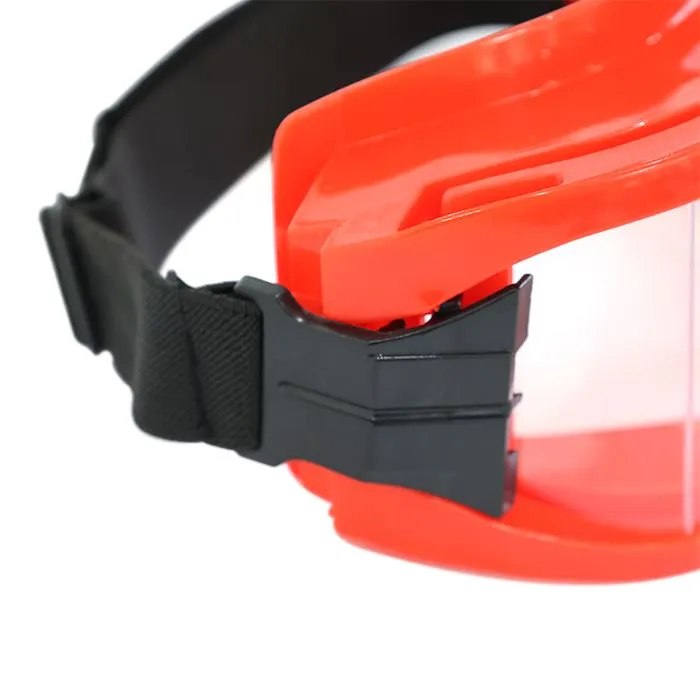
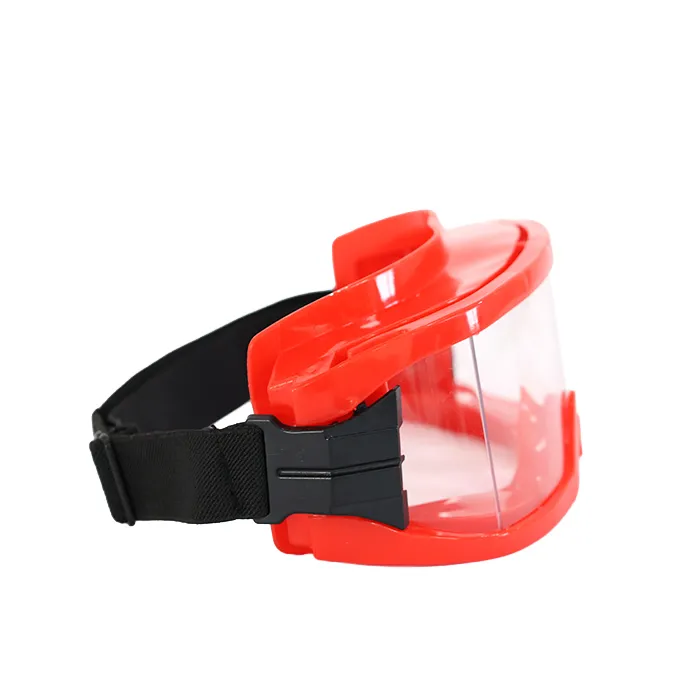
There's also improved comfort technology. In the past, wearing respiratory protection could be a real pain. The masks were often too tight, causing headaches and making your face sweaty. Now, manufacturers are using new materials and designs to make the equipment more comfortable. For example, there are masks with adjustable straps that can fit different head sizes perfectly. They also use soft, hypoallergenic materials that won't irritate your skin. And some masks have special vents that allow for better air circulation, so you won't feel like you're breathing in a sauna.
Let's move on to how technology has made our products more durable. New manufacturing techniques and materials mean that our respiratory protection equipment can last longer. For example, the outer shells of many masks are made from tough, impact - resistant plastics. These plastics can withstand a fair amount of wear and tear, whether you're in a factory, a construction site, or fighting a fire. This not only saves you money in the long run but also gives you peace of mind knowing that your equipment won't break down when you need it most.
Now, I want to show you some of the top - notch products we offer. We've got this Self - rescue Respirator. It's a real lifesaver in emergency situations. When there's a fire or a chemical leak, this respirator can provide you with clean air for a certain period of time. Its advanced filtration system can remove harmful substances from the air, so you can focus on getting to safety.
Then, we have the Flame - retardant Headgear. This isn't your average headgear. It's made from special materials that can resist flames, protecting your head and neck in high - heat situations. Whether you're a firefighter or working in an industrial environment with potential fire hazards, this headgear is a must - have.
And don't forget about the Fireproof Goggles. These goggles are designed to protect your eyes from intense heat, flying debris, and harmful chemicals. They have a scratch - resistant coating and a snug fit, so you can see clearly and stay safe.
Technology has also made it easier for us to customize respiratory protection. We can now use 3D scanning and printing technology to create masks that fit an individual's face perfectly. This is a huge advantage, especially for people with unique facial features. A well - fitting mask provides better protection because there are no gaps for pollutants to sneak in.
In addition, virtual reality (VR) and augmented reality (AR) are being used for training purposes. We can create realistic scenarios using VR, where users can practice wearing and using respiratory protection equipment. This hands - on training in a virtual environment helps users get familiar with the equipment and know how to react in different situations. AR can be used to provide real - time information about the equipment, like how to adjust the straps or change the filter.
As a respiratory protection supplier, we're always on the lookout for the latest technological advancements. We want to make sure that our customers get the best possible protection. Whether you're a professional in a high - risk industry or just someone who wants to protect themselves from pollution, our products are designed to meet your needs.
If you're interested in our products or want to learn more about how technology is improving respiratory protection, don't hesitate to reach out. We're happy to have a chat with you, answer any questions you might have, and discuss your specific requirements. We can work together to find the perfect respiratory protection solution for you.
References
- "Advances in Filtration Technology for Respiratory Protection" - Journal of Occupational Health and Safety
- "Smart Sensors in Respiratory Protection Equipment: A Review" - International Journal of Environmental Health Research
- "Comfort and Durability in Modern Respiratory Protection" - Industrial Hygiene Journal
Send Inquiry