


What is the maximum temperature a forest fire fighting helmet can withstand?
Oct 13, 2026
Leave a message
As a supplier of Forest Fire Fighting Helmets, I often encounter inquiries from customers about the maximum temperature these helmets can withstand. This question is crucial as forest fires can generate extremely high temperatures, and the helmet's ability to protect firefighters' heads directly impacts their safety.
Understanding the Heat in Forest Fires
Forest fires are a complex and dangerous natural phenomenon. The temperature in a forest fire can vary significantly depending on various factors such as the type of vegetation, weather conditions, and the stage of the fire. In general, the temperature of a forest fire can range from a few hundred degrees Celsius to over a thousand degrees Celsius.
Surface fires, which burn along the forest floor, typically have a lower temperature, usually around 300 - 500 degrees Celsius. These fires mainly consume dry leaves, twigs, and other debris on the ground. However, crown fires, which spread through the tops of trees, can reach much higher temperatures. The intense heat can cause trees to burn rapidly, and temperatures in crown fires can exceed 1000 degrees Celsius in some cases.
When fighting forest fires, firefighters are exposed to different levels of heat. They may be close to the fire front, where the heat is extremely high, or they may be working in the perimeter to control the spread of the fire, where the heat is relatively lower. Therefore, the forest fire - fighting helmet needs to be able to provide protection in a wide range of high - temperature environments.
Material and Design for High - Temperature Resistance
The ability of a forest fire - fighting helmet to withstand high temperatures depends largely on its materials and design.
Materials
Most modern forest fire - fighting helmets are made of high - performance materials. For example, some helmets use fiberglass composites. Fiberglass has good heat - insulating properties. It can resist relatively high temperatures for a certain period. When exposed to heat, fiberglass does not conduct heat quickly, which helps to keep the interior of the helmet at a lower temperature.
Another common material is Kevlar. Kevlar is a strong and heat - resistant synthetic fiber. It has excellent mechanical properties and can maintain its strength at high temperatures. Kevlar can also resist melting and dripping, which is an important safety feature in fire - fighting situations.
Some helmets also incorporate a layer of ceramic - based materials. Ceramics have very high melting points and can provide excellent heat protection. The ceramic layer can reflect and absorb a large amount of heat, reducing the heat transfer to the inside of the helmet.
Design
The design of the helmet also plays a vital role in its heat - resistance ability. A well - designed forest fire - fighting helmet usually has a ventilation system. This system allows hot air to escape from the inside of the helmet, while fresh air can enter. By keeping the air circulation inside the helmet, the temperature inside can be effectively reduced.
In addition, the shape of the helmet is designed to minimize the direct contact area with the fire source. The curved surface can deflect the heat flow, reducing the heat absorbed by the helmet. Some helmets also have additional shields or visors that can further protect the face from radiant heat.
The Maximum Temperature a Forest Fire Fighting Helmet Can Withstand
Based on the materials and design mentioned above, a high - quality forest fire - fighting helmet can generally withstand temperatures up to around 800 - 1000 degrees Celsius for a short period. This short - term high - temperature resistance is sufficient for firefighters to perform their tasks in the vicinity of the fire front.
However, it's important to note that the maximum temperature is not the only factor to consider. The duration of exposure to high temperatures also matters. For example, if a helmet is exposed to 800 degrees Celsius for a few seconds, it may still be able to protect the wearer. But if the exposure time is prolonged, the heat may gradually penetrate through the helmet and cause damage.
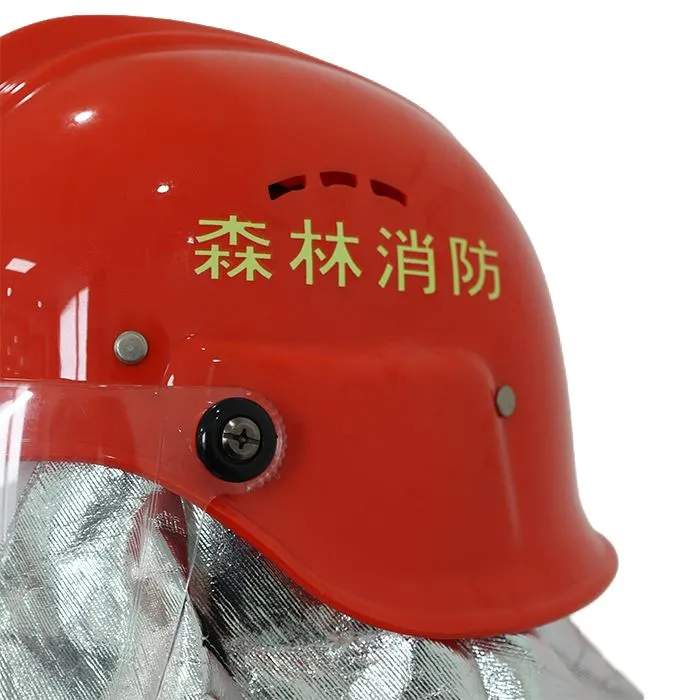
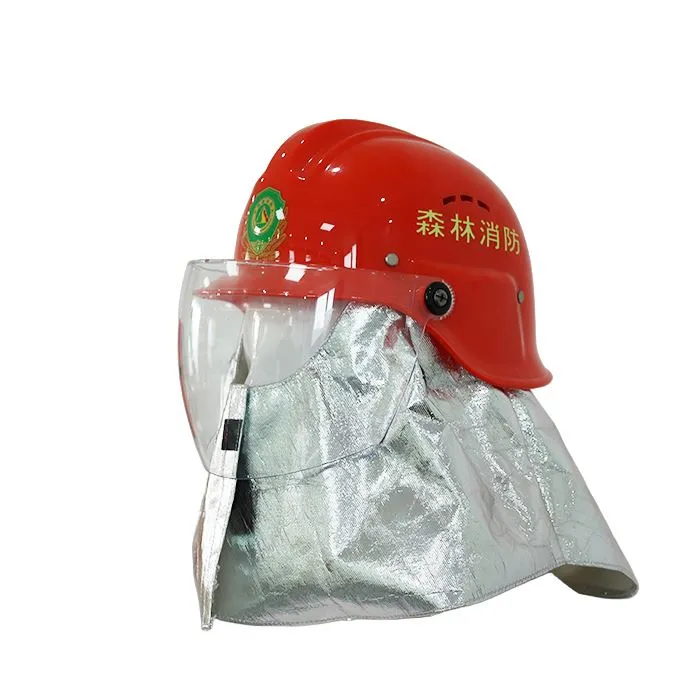
Moreover, the performance of the helmet may degrade over time due to repeated exposure to high temperatures, impacts, and other environmental factors. Regular inspection and replacement of the helmet are necessary to ensure its safety function.
Different Types of Helmets and Their Temperature Resistance
As a supplier, we offer a variety of forest fire - fighting helmets, each with its own characteristics in terms of temperature resistance.
The Forest Distribution Helmet is designed for firefighters who mainly work in the distribution and support of fire - fighting operations. It is made of a combination of high - strength plastics and heat - insulating materials. This helmet can withstand temperatures up to around 600 - 800 degrees Celsius. It provides good protection for firefighters in relatively less intense fire situations.
The Rescue Hard Hat is suitable for rescue operations in forest fires. It is equipped with additional shock - absorbing layers and a more advanced ventilation system. Made of materials such as fiberglass and Kevlar, this helmet can resist temperatures up to 700 - 900 degrees Celsius. It offers a good balance between heat protection and comfort.
Our flagship product, the Forest Fire Fighting Helmet, is designed for firefighters who are directly involved in extinguishing the fire. It uses the latest materials and technologies, including ceramic - based heat - shielding layers. This helmet can withstand temperatures up to 800 - 1000 degrees Celsius, providing the highest level of protection in high - temperature forest fire environments.
Importance of High - Temperature Resistance in Forest Fire Fighting
The ability of a forest fire - fighting helmet to withstand high temperatures is of utmost importance for several reasons.
First, it protects the most important part of the firefighter's body - the head. The head contains the brain, which is extremely sensitive to heat. A high - temperature environment can cause heatstroke, burns, and other serious injuries to the head. A reliable helmet can effectively reduce the risk of these injuries.
Second, it allows firefighters to work more effectively. When firefighters are confident that their helmets can protect them from high temperatures, they can focus more on their tasks, such as extinguishing the fire, rescuing victims, and controlling the fire spread.
Finally, it enhances the overall safety of the fire - fighting team. In a forest fire situation, the safety of each team member is crucial. A high - performance helmet can contribute to the well - being of the entire team, reducing the likelihood of casualties.
Contact Us for Procurement
If you are interested in our forest fire - fighting helmets and would like to discuss procurement details, we welcome you to contact us. Our team of experts is ready to provide you with detailed product information, technical support, and competitive pricing. We understand the importance of reliable fire - fighting equipment in protecting lives and property, and we are committed to providing the best products for your needs.
References
- "Handbook of Firefighting Equipment and Technology"
- "Thermal Protection in Firefighting: Principles and Applications"
- Journal articles on high - temperature materials and their applications in firefighting.
Send Inquiry