


How many people are needed to operate a firefighting blower?
Oct 14, 2026
Leave a message
Hey there! As a supplier of firefighting blowers, I often get asked this question: “How many people are needed to operate a firefighting blower?” Well, it's not a one - size - fits - all answer, and there are quite a few factors at play.
Let's start with the different types of firefighting blowers we offer. We've got the Backpack-mounted Wind-powered Fire Extinguisher. This bad boy is super handy because it's designed to be carried on the back. Usually, just one person can operate it. It's great for small - scale fires, like those in grasslands or small brush areas. One person can easily move around, direct the airflow, and put out the flames. The operator just straps it on, starts the engine, and uses the nozzle to aim the powerful gusts of wind at the fire. It gives the operator a lot of mobility, which is crucial when dealing with fires that can spread quickly.
Then there's the Portable Wind-powered Fire Extinguisher. This type is a bit more flexible. It can be used by one person in some cases, especially if the fire is relatively small and easy to access. But for larger fires, having two people can be a game - changer. One person can hold the blower and direct the airflow, while the other can move around, clear debris, or help with any other tasks related to the firefighting operation. This division of labor can make the whole process more efficient.
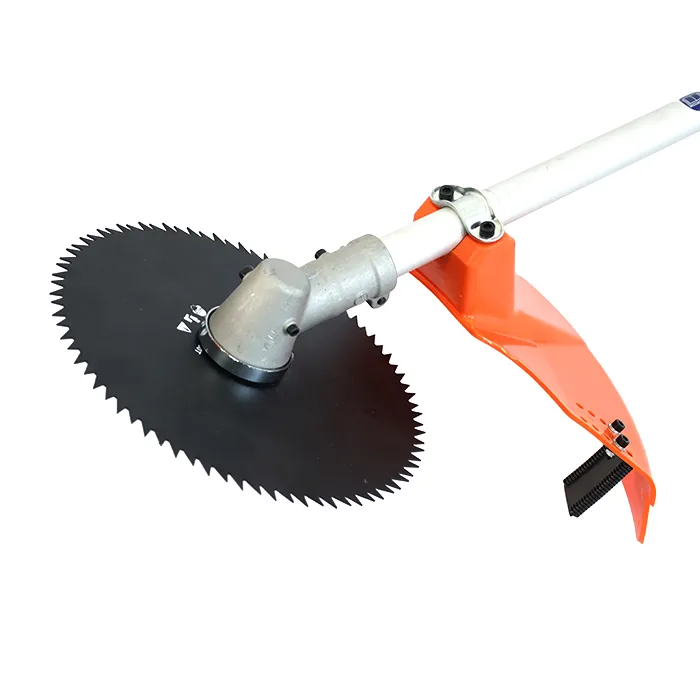
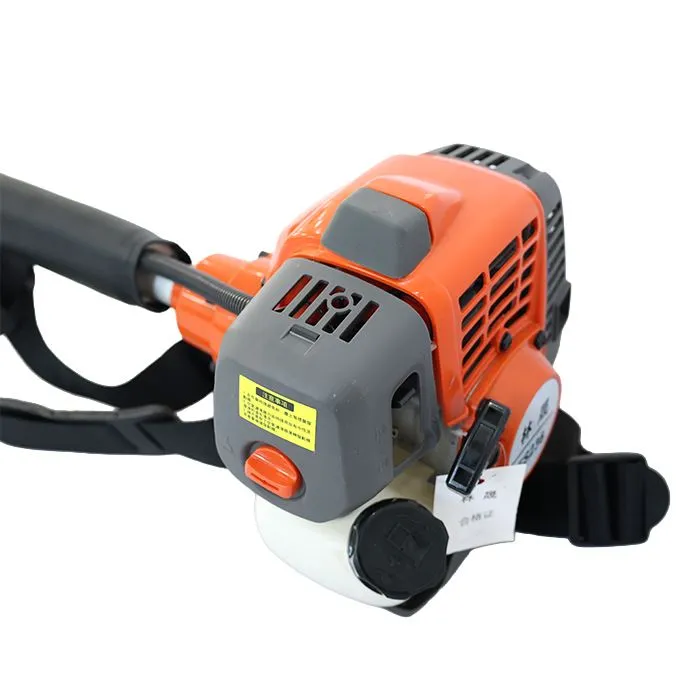
Now, let's talk about the Power Scythe. This is a unique piece of equipment. It combines the power of a blower with a cutting tool. For normal use, one person can operate it. They can use the cutting part to clear vegetation in the fire's path and then switch to the blowing function to put out the flames. However, in a more complex firefighting scenario, like a large forest fire, having multiple people using power scythes can be very effective. They can work in a coordinated way, creating a barrier by clearing vegetation and then using the blowers to push the fire back.
The size and type of the fire are major factors in determining the number of people needed. For a small campfire that has gotten out of control, one person with a portable blower can usually handle it. But when we're talking about wildfires that cover large areas, things get a lot more complicated. In a wildfire situation, you might need a team of firefighters, each with their own blower, working together. They need to create a perimeter around the fire, and having multiple blowers can help in pushing the fire away from populated areas or valuable resources.
The terrain also plays a role. If the fire is in a flat, open area, it's easier for one or a few people to operate the blowers. But in a mountainous or densely vegetated area, more people might be needed. The operators need to navigate through difficult terrain, and having extra hands can help with carrying the equipment, clearing paths, and ensuring the safety of everyone involved.
The experience of the operators is another important aspect. A well - trained and experienced firefighter can do a lot more with a blower than someone who is new to the job. Experienced operators know how to use the blower's power effectively, how to direct the airflow to get the best results, and how to work in a team. So, if you have a group of novice operators, you might need more of them to achieve the same level of effectiveness as a smaller group of experienced firefighters.
Weather conditions can't be ignored either. Strong winds can either work for or against you when using a firefighting blower. If the wind is blowing in the right direction, it can help the blower's airflow reach the fire more effectively. But if the wind is too strong and blowing in the wrong direction, it can make the fire spread faster. In such cases, more people might be needed to control the situation. They can work together to adjust the blower's position and direction to counteract the effects of the wind.
When it comes to large - scale firefighting operations, like those in national parks or large forested areas, there are usually multiple teams involved. Each team might have a different role, and the number of people using blowers can vary. Some teams might be focused on the front - line firefighting, using blowers to attack the fire directly. Others might be working on creating firebreaks, using blowers to clear vegetation and prevent the fire from spreading.
In summary, the number of people needed to operate a firefighting blower can range from one for small, simple fires to a large team for complex, large - scale wildfires. It depends on the type of blower, the size and type of the fire, the terrain, the experience of the operators, and the weather conditions.
If you're in the market for firefighting blowers or have any questions about how to use them effectively, don't hesitate to reach out. We're here to help you find the right equipment for your needs and provide you with all the support you need. Whether you're a local fire department, a forestry service, or just someone looking to be prepared for small fires, we've got you covered.
References
- Firefighting Equipment Handbook
- Wildfire Management Guidelines
Send Inquiry