


How do emergency fire pumps differ from regular fire pumps?
Oct 30, 2026
Leave a message
Let's start by chatting about the real deal - how emergency fire pumps are different from regular ones. As a supplier of Emergency Fire Pumps, I'm super into this topic and can't wait to share all the deets.
First off, let's talk about what regular fire pumps are all about. Regular fire pumps, like the ones you might find in a standard building or a small industrial setup, are designed to do a pretty straightforward job. They're mainly there to keep a steady water supply going to the fire - suppression systems when there's a fire. These pumps are usually connected to the building's water supply system and are on standby, waiting for the moment when they'll be needed. For example, a Water Pump for Fire Fighting in a local office building might be your typical regular fire pump. It's there to make sure the sprinkler system works properly and can put out small fires before they get out of hand.
Now, let's shift our focus to emergency fire pumps. These bad boys are a whole different ballgame. Emergency fire pumps are like the superheroes of the fire - fighting world. They're designed to kick in when everything else goes wrong. Picture this: a big - scale disaster, a power outage, or a failure in the regular water supply. That's when emergency fire pumps step up. They're built to operate independently, often with their own power sources, so they can keep pumping water even in the toughest situations.
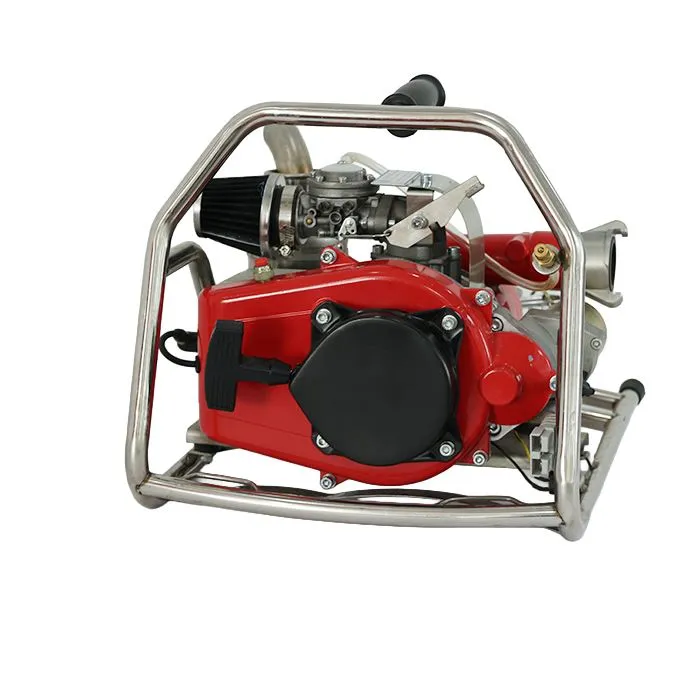
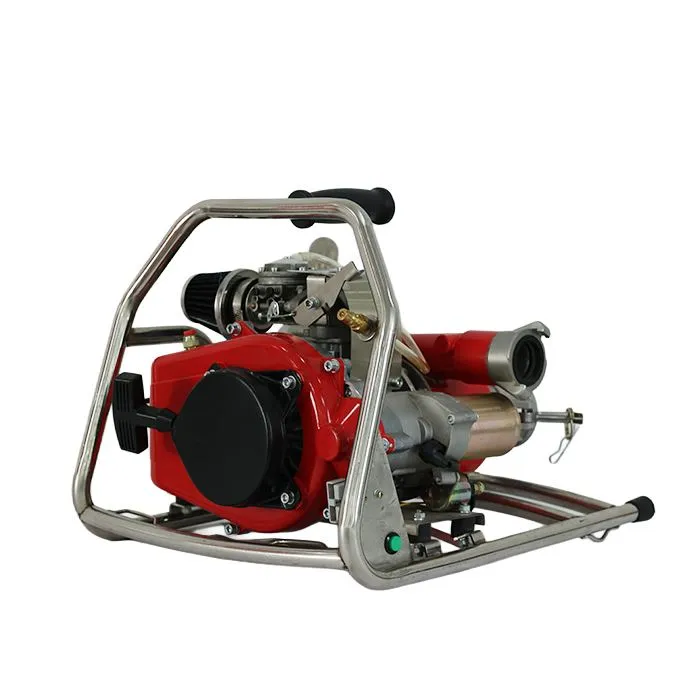
One of the key differences between the two is reliability. Regular fire pumps rely on the normal building infrastructure. If there's a problem with the power grid or the water main, they might not work. But emergency fire pumps are built with redundancy in mind. They can have their own diesel engines or battery - powered systems. This means that even if the building loses power, an emergency fire pump can still function. For instance, our Detachable Four - stage Centrifugal Water Pump is designed to be extremely reliable. It can be easily detached and moved if needed, and its four - stage design ensures that it can pump water with high pressure, even in an emergency.
Another big difference is the capacity. Emergency fire pumps usually have a higher capacity than regular ones. In a large - scale fire, you need a massive amount of water to put it out. Regular fire pumps might not be able to provide enough water flow for a major incident. Emergency fire pumps, on the other hand, are engineered to handle large volumes of water. For example, Commercial Fire Pump and Forest Fire Pump are often emergency - grade pumps. They're used in commercial buildings and forest areas where a large amount of water is required to fight fires.
Durability is also a factor. Regular fire pumps are used in more controlled environments, so they don't need to be as tough. Emergency fire pumps, however, are built to last through harsh conditions. They need to be resistant to corrosion, heat, and physical damage. They might be used in outdoor settings, like in forest fires or at industrial sites, where they'll be exposed to the elements.
In terms of maintenance, regular fire pumps usually have a more standard maintenance schedule. They're part of the building's regular upkeep. But emergency fire pumps need even more rigorous maintenance. Since they're meant to work in critical situations, they need to be inspected regularly to make sure they're always in top - notch condition. This includes checking the power source, the pump mechanisms, and the water intake systems.
Cost is another aspect. Regular fire pumps are generally more affordable because they're simpler in design and don't need all the extra features that emergency fire pumps have. Emergency fire pumps, with their high - end components and advanced technology, come with a higher price tag. But when it comes to protecting lives and property in a major fire, the investment is definitely worth it.
So, if you're in the market for a fire pump, you need to think about your specific needs. If you're dealing with a small building or a low - risk area, a regular fire pump might be enough. But if you're responsible for a large commercial building, a forest area, or a high - risk industrial site, you should definitely consider an emergency fire pump.
As a supplier of emergency fire pumps, I can tell you that we've got the expertise and the products to meet your needs. Whether you're looking for a pump with a high - capacity water flow, one that's extremely reliable, or one that's built to last, we've got you covered. If you're interested in learning more about our products or want to discuss your requirements in detail, I encourage you to reach out. We can have a chat to figure out which pump is the best fit for your situation.
References
- Fire Protection Handbook, National Fire Protection Association
- Standards for Fire Pumps, International Fire Protection Association
- Technical Manuals for Fire - Fighting Equipment, Industry - Specific Publications
Send Inquiry