


What are the environmental considerations for emergency fire pumps?
Oct 29, 2026
Leave a message
As a supplier of Emergency Fire Pumps, I understand the critical role these pumps play in safeguarding lives and property during fire emergencies. However, it's equally important to consider the environmental impact of these essential devices. In this blog post, I will delve into the various environmental considerations associated with emergency fire pumps, exploring how we can balance the need for effective fire protection with environmental sustainability.
Energy Efficiency
One of the primary environmental considerations for emergency fire pumps is energy efficiency. Fire pumps typically consume a significant amount of energy, especially when operating at high pressures. By choosing energy-efficient pumps, we can reduce the overall energy consumption and minimize the carbon footprint associated with fire protection systems.
Modern emergency fire pumps are designed to meet strict energy efficiency standards. These pumps are equipped with advanced motor technologies, such as variable frequency drives (VFDs), which allow the pump to adjust its speed based on the demand. By operating at the optimal speed, VFDs can significantly reduce energy consumption, resulting in lower operating costs and reduced environmental impact.
In addition to VFDs, energy-efficient pumps may also feature high-efficiency impellers and motors, which are designed to convert electrical energy into mechanical energy more effectively. These pumps can achieve higher flow rates and pressures with less energy input, making them a more sustainable choice for fire protection systems.
Water Conservation
Another important environmental consideration for emergency fire pumps is water conservation. Firefighting operations can consume large amounts of water, which can put a strain on local water resources, especially in areas with limited water supplies. By implementing water conservation measures, we can reduce the amount of water used during fire emergencies and minimize the impact on the environment.
One way to conserve water is to use fire pumps that are designed to operate at lower flow rates and pressures. These pumps can still provide effective fire protection while using less water. Additionally, fire protection systems can be equipped with water storage tanks and recirculation systems, which allow the water to be reused during firefighting operations.
Another water conservation measure is to use fire suppression systems that rely on alternative extinguishing agents, such as foam or dry chemicals. These agents can be more effective at extinguishing fires than water, which can reduce the amount of water needed for firefighting. However, it's important to ensure that these agents are environmentally friendly and do not pose a significant risk to human health or the environment.
Noise Pollution
Emergency fire pumps can generate a significant amount of noise, especially when operating at high speeds. This noise can be a nuisance to nearby residents and can also have a negative impact on the environment. By choosing fire pumps that are designed to operate quietly, we can reduce the noise pollution associated with fire protection systems.
Modern emergency fire pumps are equipped with noise-reducing features, such as sound enclosures and vibration isolation mounts. These features can help to reduce the noise level of the pump and minimize the impact on the surrounding environment. Additionally, fire pumps can be installed in locations that are away from residential areas or other noise-sensitive areas, which can further reduce the noise pollution.
Emissions
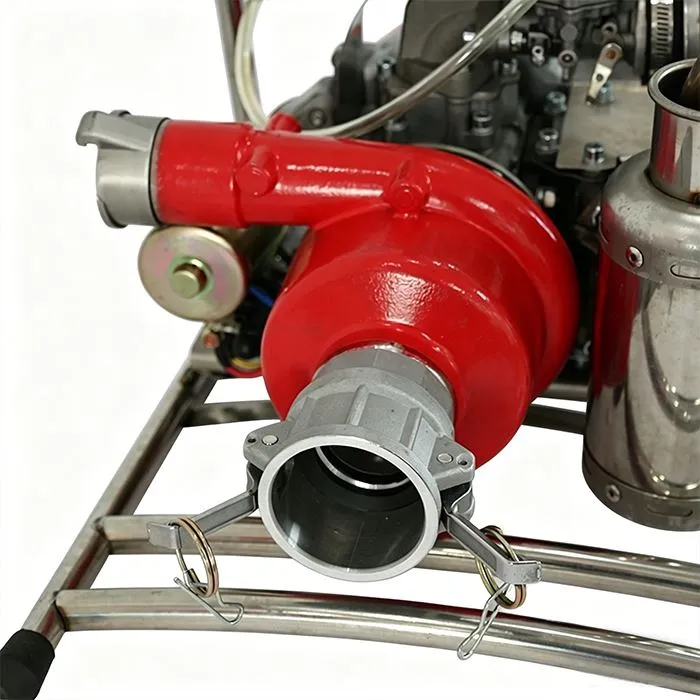
Emergency fire pumps that are powered by internal combustion engines can emit a variety of pollutants, including carbon monoxide, nitrogen oxides, and particulate matter. These emissions can have a negative impact on air quality and can contribute to climate change. By choosing fire pumps that are powered by clean energy sources, such as electricity or natural gas, we can reduce the emissions associated with fire protection systems.
Electric fire pumps are a popular choice for many fire protection systems because they do not emit any pollutants during operation. These pumps are also more energy-efficient than internal combustion engine pumps, which can further reduce the environmental impact. Additionally, natural gas-powered fire pumps are a clean and efficient alternative to traditional diesel-powered pumps. These pumps emit fewer pollutants than diesel pumps and can also be more cost-effective to operate.
End-of-Life Disposal
When an emergency fire pump reaches the end of its useful life, it's important to dispose of it properly to minimize the environmental impact. Fire pumps contain a variety of materials, including metals, plastics, and electronic components, which can be recycled or reused. By recycling these materials, we can reduce the amount of waste that goes to landfills and conserve natural resources.
Before disposing of a fire pump, it's important to drain all of the fluids from the pump and remove any hazardous materials, such as batteries or lubricants. These materials should be disposed of in accordance with local regulations. Additionally, the pump should be disassembled and the components should be separated for recycling.

Conclusion
As a supplier of Emergency Fire Pumps, I am committed to providing our customers with high-quality, environmentally friendly fire protection solutions. By considering the environmental impact of emergency fire pumps, we can help to reduce the carbon footprint of fire protection systems and minimize the impact on the environment.
If you are in the market for a new emergency fire pump, I encourage you to consider the environmental factors discussed in this blog post. By choosing an energy-efficient, water-conserving, quiet, and low-emission pump, you can not only protect your property and lives but also contribute to a more sustainable future.
If you have any questions or would like to learn more about our Commercial Fire Pump or Portable Firefighting Pumps, please do not hesitate to contact us. We would be happy to discuss your specific needs and provide you with a customized solution.
References
- International Fire Protection Association. (2023). Energy Efficiency in Fire Protection Systems.
- Water Environment Federation. (2023). Water Conservation in Firefighting Operations.
- Environmental Protection Agency. (2023). Noise Pollution and Fire Protection Systems.
- American Society of Mechanical Engineers. (2023). Emissions Standards for Fire Pumps.
- Institute of Scrap Recycling Industries. (2023). End-of-Life Disposal of Fire Pumps.
Send Inquiry