


What is the flexibility of forest firefighting gloves?
Sep 29, 2026
Leave a message
Hey there! As a supplier of forest firefighting gloves, I've been getting a lot of questions lately about the flexibility of these essential pieces of gear. So, I thought I'd take a moment to break it down for you.
What Flexibility Means in Forest Firefighting Gloves
Flexibility in forest firefighting gloves is all about how well they allow firefighters to move their hands and fingers. When you're out in the field, dealing with flames, hot embers, and all sorts of rough terrain, you need gloves that won't restrict your movements. You've got to be able to grip tools firmly, manipulate equipment, and perform delicate tasks without feeling like your hands are in a straightjacket.
Think about it. A firefighter might need to quickly open a valve, pick up a small object, or adjust a piece of machinery. If the gloves are too stiff, it can slow them down and make these tasks a lot more difficult. That's where flexibility comes in. It's not just about comfort; it's about functionality and safety.
Factors Affecting Flexibility
There are several factors that can affect the flexibility of forest firefighting gloves.
Material
The material used to make the gloves is a huge factor. Most forest firefighting gloves are made from a combination of heat-resistant materials like leather, Kevlar, and synthetic fabrics. Leather is a popular choice because it's durable and provides a good level of dexterity. However, not all leathers are created equal. High-quality, soft leather will offer better flexibility than a thick, stiff leather.
Kevlar is another common material. It's known for its strength and heat resistance, but it can be a bit less flexible than leather. That's why many gloves use a combination of the two. The synthetic fabrics used in the gloves can also play a role. Some synthetics are designed to be more flexible and breathable, which can enhance the overall flexibility of the glove.
Design
The design of the gloves also matters. Gloves that are well-designed will have features that promote flexibility. For example, gloves with pre-curved fingers are more natural to wear and allow for better movement. They're designed to mimic the shape of your hand when it's in a relaxed position, so you don't have to fight against the glove to grip or move your fingers.
Another design feature that can improve flexibility is the use of stretch panels. These panels are usually made from a stretchy fabric and are placed in areas where the hand needs to bend the most, like the knuckles and the palm. They allow the glove to stretch and move with your hand, rather than restricting its movement.
Fit
A proper fit is essential for flexibility. If the gloves are too big, they'll flop around and make it difficult to grip things. If they're too small, they'll be tight and restrict your movement. That's why it's important to choose the right size. Most manufacturers provide sizing charts to help you find the perfect fit.
Why Flexibility Matters in Forest Firefighting
Flexibility is crucial in forest firefighting for several reasons.
Safety
First and foremost, flexibility is important for safety. When firefighters are in the middle of a fire, they need to be able to react quickly and perform tasks with precision. If their gloves are too stiff, it can slow them down and increase the risk of accidents. For example, if a firefighter can't grip a tool properly because of stiff gloves, they might drop it and injure themselves or others.
Efficiency
Flexibility also improves efficiency. Firefighters need to be able to work quickly and effectively to contain the fire. Gloves that allow for easy movement of the hands and fingers can help them do their jobs faster. They can open valves, turn knobs, and operate equipment more efficiently, which can save time and resources.
Comfort
Let's not forget about comfort. Firefighters often have to wear their gloves for long periods of time. If the gloves are too stiff and uncomfortable, it can distract them from their work and make the job even more difficult. Flexible gloves are more comfortable to wear, which can help firefighters stay focused and perform at their best.
Our Forest Firefighting Gloves
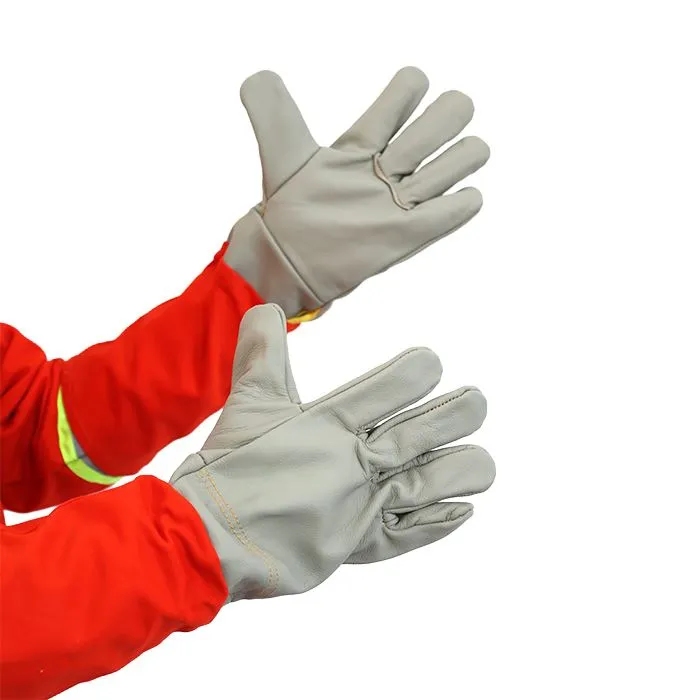
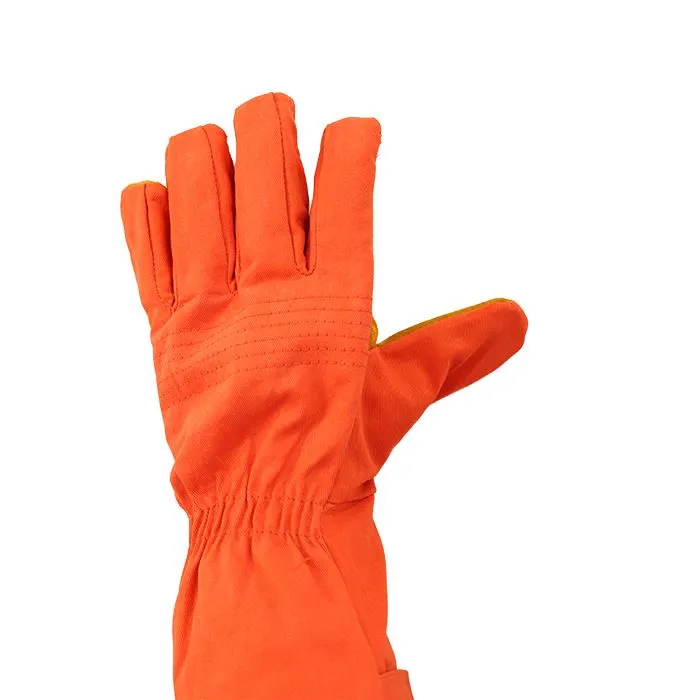
At our company, we understand the importance of flexibility in forest firefighting gloves. That's why we've designed our Forest Firefighting Gloves to provide the perfect balance of flexibility, protection, and comfort.
Our gloves are made from high-quality materials that are both heat-resistant and flexible. We use a combination of soft leather and synthetic fabrics to ensure that the gloves are durable and provide a good level of dexterity. The pre-curved fingers and stretch panels in our gloves are designed to promote natural movement and flexibility.
We also offer a wide range of sizes to ensure that you can find the perfect fit. Our sizing chart is easy to use, and if you have any questions, our customer service team is always happy to help.
Comparing Our Gloves to Others
When you're looking for forest firefighting gloves, it's important to compare different brands and models. Some gloves might offer more protection, but they could be less flexible. Others might be more flexible, but they might not provide as much protection.
Our Forest Fireproof Gloves are designed to provide the best of both worlds. They offer excellent protection against heat, flames, and abrasions, while still being flexible enough to allow for easy movement of the hands and fingers.
We've also received great feedback from our customers. Many of them have commented on how comfortable and flexible our gloves are. They've said that our gloves have helped them perform their jobs more efficiently and safely.
How to Maintain the Flexibility of Your Gloves
To keep your forest firefighting gloves flexible, it's important to take good care of them. Here are some tips:
- Clean them regularly: Dirt and debris can build up on the gloves and make them stiff. Follow the manufacturer's instructions for cleaning your gloves.
- Store them properly: When you're not using your gloves, store them in a cool, dry place. Avoid folding or creasing them, as this can damage the material and reduce their flexibility.
- Condition the leather: If your gloves are made from leather, it's a good idea to condition them regularly. This will help keep the leather soft and flexible.
Conclusion
Flexibility is a crucial factor in forest firefighting gloves. It affects safety, efficiency, and comfort. At our company, we're committed to providing high-quality Forest Fire Protection Gloves that offer the perfect balance of flexibility and protection.
If you're in the market for forest firefighting gloves, we'd love to hear from you. Whether you're a professional firefighter, a forest ranger, or someone who needs gloves for other fire-related activities, we can help you find the right gloves for your needs. Contact us today to discuss your requirements and start a procurement conversation. We're here to provide you with the best products and service.
References
- American National Standards Institute. (2016). Standard on Firefighter Gloves.
- National Fire Protection Association. (2019). NFPA 1971 Standard on Protective Ensemble for Structural Fire Fighting and Proximity Fire Fighting.
Send Inquiry