


What is the impeller design of heavy - duty fire pumps?
Aug 03, 2026
Leave a message
When it comes to heavy - duty fire pumps, the impeller design is a crucial aspect that significantly impacts the pump's performance and efficiency. As a leading heavy - duty fire pumps supplier, I'm here to delve into the details of impeller design and its importance in these critical firefighting tools.
The Basics of Impeller Design in Heavy - Duty Fire Pumps
The impeller is the heart of a heavy - duty fire pump. It is a rotating component with vanes that transfer energy to the fluid (usually water) in the pump. The design of the impeller determines how effectively the pump can move water, create pressure, and handle different flow rates.
There are different types of impellers used in heavy - duty fire pumps, each with its own characteristics. The most common types include open, semi - open, and closed impellers.
- Open Impellers: These impellers have vanes that are not covered on either side. They are relatively simple in design and are often used in applications where the fluid may contain large particles or debris. In heavy - duty fire pumps, open impellers can be beneficial in situations where water sources might be contaminated, such as in industrial settings or during wildfire firefighting. However, open impellers may have lower efficiency compared to other types due to leakage around the vanes.
- Semi - Open Impellers: Semi - open impellers have a single shroud on one side of the vanes. This design provides a balance between the simplicity of open impellers and the efficiency of closed impellers. They can handle some debris while still maintaining a relatively high level of performance. In heavy - duty fire pumps, semi - open impellers are often used in applications where a moderate amount of solid particles may be present in the water.
- Closed Impellers: Closed impellers have shrouds on both sides of the vanes, which helps to direct the flow of water more effectively. This design results in higher efficiency and better performance, especially at higher flow rates and pressures. Closed impellers are commonly used in heavy - duty fire pumps for applications where clean water sources are available, such as in building fire protection systems.
Key Design Considerations
Several factors need to be considered when designing impellers for heavy - duty fire pumps:
1. Flow Rate
The flow rate is the volume of water that the pump can deliver per unit of time. The impeller design must be optimized to achieve the desired flow rate. A larger impeller diameter generally allows for a higher flow rate, but other factors such as the number and shape of the vanes also play a role. For example, impellers with more vanes can increase the flow rate by providing more surfaces for the water to interact with, but this may also increase the resistance and reduce the efficiency if not designed properly.
2. Pressure
Heavy - duty fire pumps need to generate sufficient pressure to deliver water to the fire site. The impeller design affects the pressure generation in the pump. The shape and angle of the vanes can influence how much energy is transferred to the water, which in turn determines the pressure. A well - designed impeller can convert the mechanical energy from the pump's motor into hydraulic energy effectively, resulting in higher pressure.
3. Efficiency
Efficiency is a critical factor in heavy - duty fire pumps, as it affects both the operating cost and the environmental impact. An efficient impeller design minimizes energy losses due to friction, leakage, and other factors. This can be achieved through careful selection of the impeller type, vane shape, and surface finish. For example, smooth surfaces on the impeller vanes can reduce friction and improve efficiency.
4. Material Selection
The material used to manufacture the impeller is also important. In heavy - duty fire pumps, impellers are often made of materials that can withstand the harsh conditions of firefighting, such as corrosion - resistant metals like stainless steel or bronze. These materials can ensure the durability and reliability of the impeller over time, especially when exposed to water and chemicals.
Impact of Impeller Design on Fire Pump Performance
The impeller design has a direct impact on the performance of heavy - duty fire pumps in several ways:
1. Firefighting Effectiveness
A well - designed impeller can ensure that the fire pump can deliver a sufficient amount of water at the required pressure to extinguish fires effectively. For example, in a large - scale industrial fire, a heavy - duty fire pump with an optimized impeller can quickly deliver a high volume of water to the fire site, helping to control and extinguish the fire more efficiently.
2. System Compatibility
The impeller design must be compatible with the overall fire protection system. This includes considerations such as the pipe size, the number of sprinklers or nozzles, and the layout of the system. A properly designed impeller can ensure that the pump can work in harmony with the rest of the system, providing reliable and consistent performance.
3. Maintenance and Reliability
A good impeller design can also reduce the maintenance requirements of the fire pump. For example, impellers that are less prone to clogging or damage can reduce the frequency of maintenance and repair. This is especially important in heavy - duty fire pumps, which need to be ready for use at all times.
Our Product Offerings
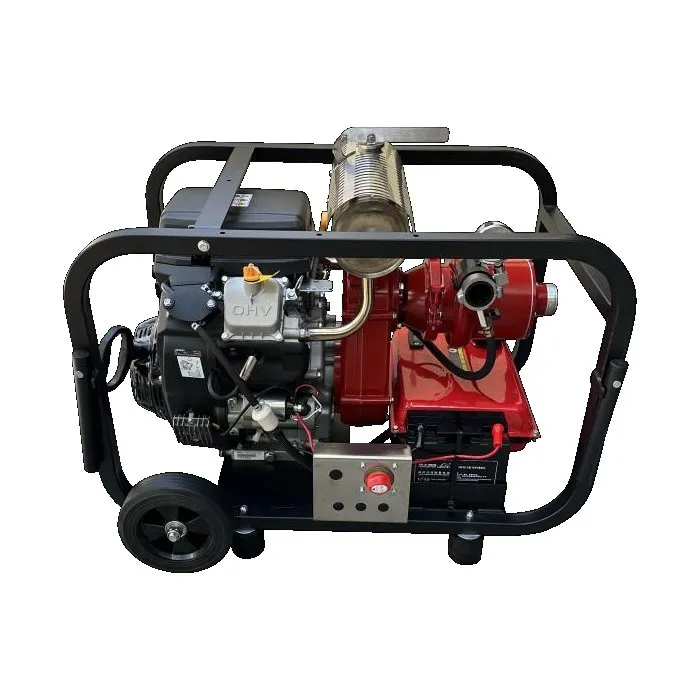
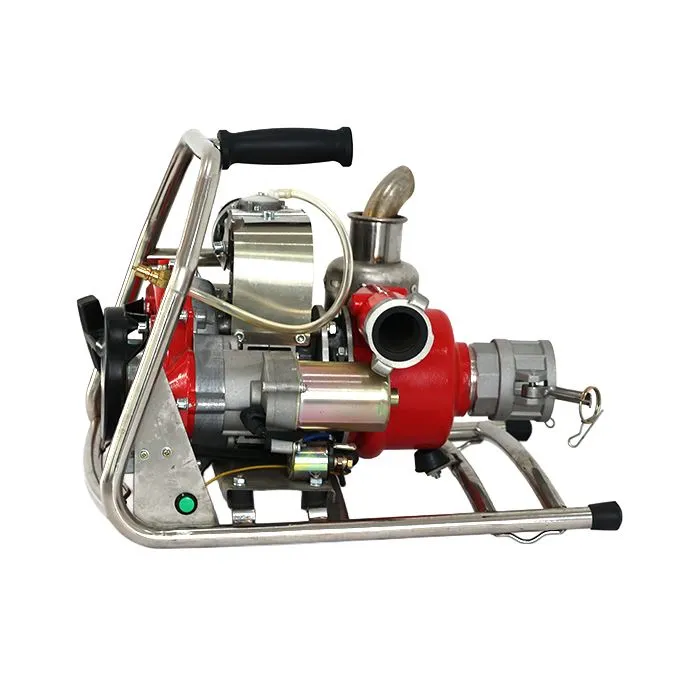
As a heavy - duty fire pumps supplier, we offer a range of pumps with different impeller designs to meet the diverse needs of our customers. Our Disaster Response Fire Pump is designed for use in emergency situations, such as natural disasters or large - scale fires. It features an impeller design that can handle high flow rates and pressures, ensuring reliable performance in critical situations.
Our Fire Sprinkler Pump is specifically designed for building fire protection systems. The impeller in this pump is optimized for delivering water to sprinkler systems at the right pressure and flow rate, providing effective fire suppression.
We also offer a Light - duty High - pressure Fire Pump for applications where a more compact and portable solution is required. The impeller design in this pump is focused on providing high pressure in a smaller package, making it suitable for use in areas where space is limited.
Conclusion
The impeller design of heavy - duty fire pumps is a complex and critical aspect that directly affects the pump's performance, efficiency, and reliability. As a heavy - duty fire pumps supplier, we understand the importance of providing high - quality pumps with optimized impeller designs. Whether you are in need of a pump for a large - scale industrial fire, a building fire protection system, or a portable solution, we have the right product for you.
If you are interested in learning more about our heavy - duty fire pumps or would like to discuss your specific requirements, please feel free to contact us. Our team of experts is ready to assist you in finding the best solution for your firefighting needs.
References
- Karassik, I. J., Messina, J. P., Cooper, P. W., & Heald, C. C. (2008). Pump Handbook. McGraw - Hill.
- Stepanoff, A. J. (1957). Centrifugal and Axial Flow Pumps: Theory, Design, and Application. Wiley.
Send Inquiry