


Main Functions of Firefighting Equipment
Mar 20, 2026
Leave a message
Firefighting equipment plays a fundamental and critical role in modern fire protection and emergency rescue systems. Its primary functions cover fire prevention, initial suppression, search and rescue, and post-incident handling, making it an essential technical support for public safety.
First, its core function is fire suppression. Firefighting equipment uses different extinguishing agents such as water, foam, dry powder, or gas to cool, smother, or chemically inhibit combustion, quickly controlling fire spread and ultimately extinguishing the fire. It serves as the primary means of responding to various fire incidents.
Second, fire control and containment are important functions. When a fire is still active, firefighting equipment can be used for zone suppression, fireline control, or establishing firebreaks to prevent further spread, creating conditions for full suppression and reducing overall losses.
Third, search and rescue and life protection are key functions. Tools such as forcible entry equipment, life detection devices, and rescue tools enable rapid location and extraction of trapped individuals in building collapses, vehicle accidents, or fire scenes, significantly improving survival rates and ensuring maximum life safety.
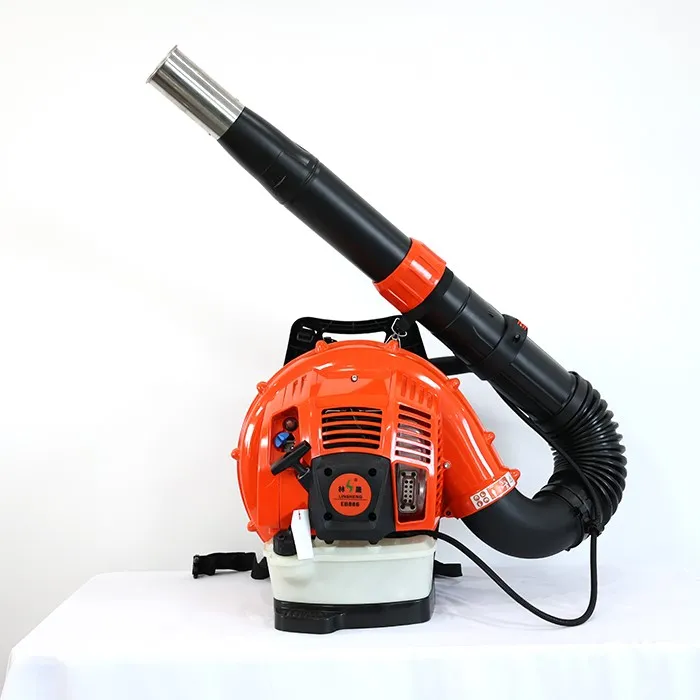
In addition, smoke extraction and environmental improvement are also important roles. In confined or high-temperature fire environments, ventilation systems and smoke exhaust equipment can reduce smoke density and ambient temperature, improving visibility and providing safer conditions for evacuation and firefighting operations.
Moreover, fire monitoring and early warning functions are becoming increasingly important in modern systems. Through sensors, thermal imaging devices, and intelligent monitoring systems, real-time fire detection and data feedback can be achieved, enhancing early warning capability and response speed.
Finally, coordinated operation and system support are increasingly significant. Firefighting equipment is often integrated with communication and command systems, enabling multi-device coordination and improving overall emergency response and command efficiency.
Overall, the main functions of firefighting equipment go beyond fire suppression to include fire control, rescue operations, environmental improvement, and system coordination, making it an indispensable component of modern public safety infrastructure.
Send Inquiry