


Structural Characteristics of Firefighting Equipment
Mar 19, 2026
Leave a message
Firefighting equipment, as a key technological component of modern emergency rescue systems, is designed with highly specialized and systematic structural features. It must ensure efficient operation in complex fire environments while also prioritizing user safety and ease of operation. Overall, its structure is characterized by modularity, integration, lightweight design, and high reliability.
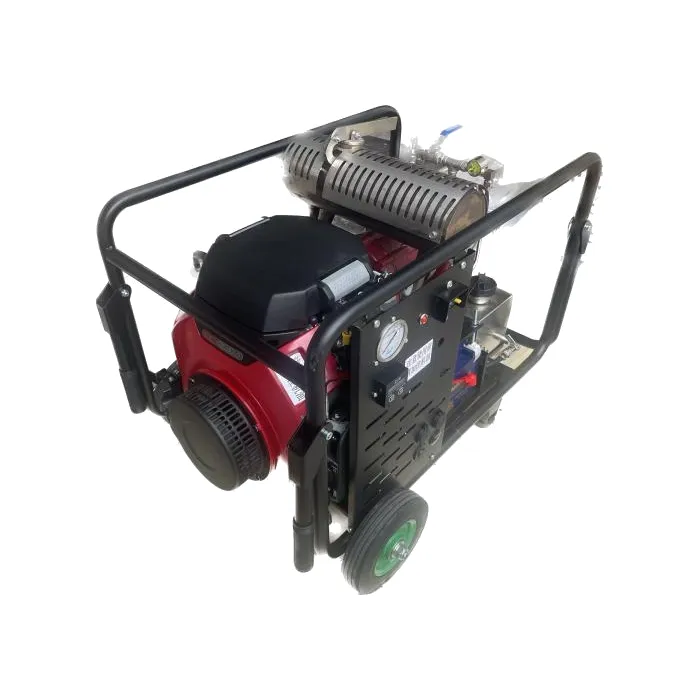
First, modular design is one of the most important structural features. Modern firefighting equipment typically consists of multiple functional modules, such as power units, water or gas supply systems, control systems, and operational components. These modules function independently but work in coordination, making maintenance and replacement easier while enhancing system flexibility and scalability.
Second, integrated design significantly improves operational efficiency. With technological advancement, many firefighting devices now integrate power, control, and execution systems into a unified structure. This reduces overall size and simplifies operation, enabling faster response and better adaptation to rapidly changing fire scenes.
Third, lightweight construction is a key direction in structural design. Especially in single-person and mobile firefighting equipment, high-strength lightweight materials and optimized structural layouts are used to reduce overall weight. This improves mobility and allows firefighters to operate in complex terrain for extended periods without excessive physical burden.
In addition, high-reliability structural design is essential across all equipment types. Since firefighting environments often involve high temperatures, dense smoke, and high-risk conditions, equipment is designed with heat resistance, corrosion resistance, and impact resistance to ensure stable performance under extreme conditions.
Moreover, ergonomic design has become increasingly important. Structural improvements in carrying systems, grips, and control interfaces make equipment more intuitive and comfortable to operate, reducing fatigue during prolonged use and improving overall operational efficiency.
Finally, standardization and system compatibility are important structural characteristics of modern firefighting equipment. Unified interfaces and standardized designs enable different devices to work together, supporting the development of an integrated firefighting operation system.
Overall, the structure of firefighting equipment is based on modular and integrated design, centered on lightweight construction and high reliability, while also emphasizing operational safety and system coordination. It serves as a critical technical foundation for modern firefighting capabilities.
Send Inquiry