


Can forest firefighting gloves prevent burns?
Sep 10, 2026
Leave a message
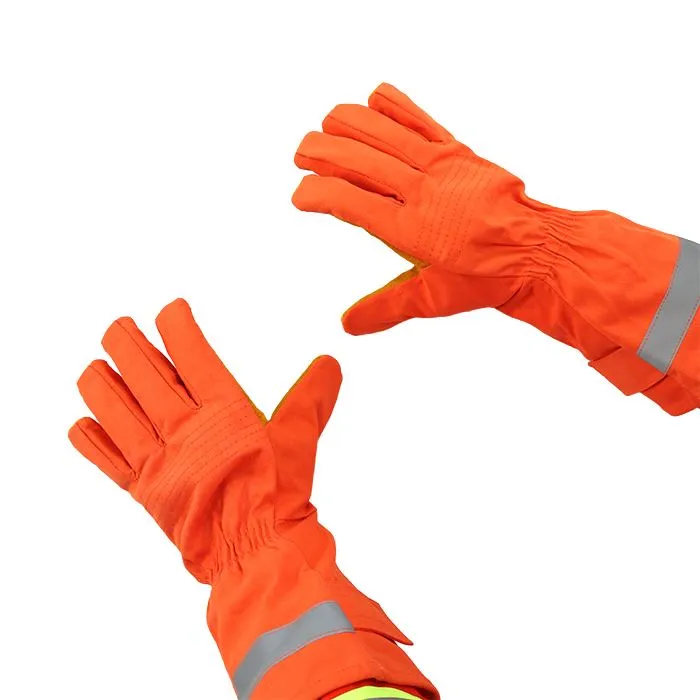
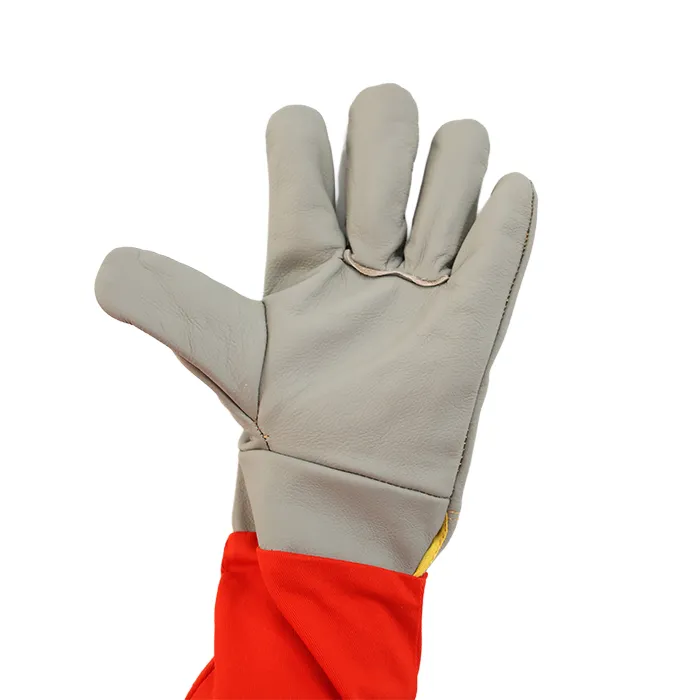
Forest fires are a significant threat to both the environment and human lives. Firefighters on the front line of these battles face extreme heat, flames, and debris, making protective equipment crucial. Among the essential gear, forest firefighting gloves play a vital role. As a supplier of high - quality Forest Firefighting Gloves, I often get asked the question: Can forest firefighting gloves prevent burns? In this blog, I will delve into the science behind these gloves and their effectiveness in preventing burns.
The Science of Burn Prevention
Before discussing the role of forest firefighting gloves, it's important to understand how burns occur. Burns are classified into three degrees based on the severity. First - degree burns affect only the outer layer of the skin (epidermis), causing redness and pain. Second - degree burns penetrate the epidermis and reach the dermis, resulting in blisters and more intense pain. Third - degree burns are the most severe, destroying both the epidermis and dermis and potentially reaching underlying tissues.
The primary cause of burns in a forest fire scenario is heat transfer. There are three main types of heat transfer: conduction, convection, and radiation. Conduction occurs when heat is transferred through direct contact with a hot object. For example, when a firefighter touches a burning log, heat is conducted from the log to the hand. Convection involves the transfer of heat through the movement of hot air or liquid. In a forest fire, hot air currents can carry heat and cause burns. Radiation is the transfer of heat through electromagnetic waves. The intense heat from a large forest fire can radiate over a significant distance and cause burns.
Design and Materials of Forest Firefighting Gloves
To prevent burns, forest firefighting gloves are designed with specific materials and construction techniques. These gloves are typically made from multiple layers of heat - resistant materials.
Outer Layer
The outer layer of forest firefighting gloves is usually made of materials like Kevlar or Nomex. Kevlar is a strong synthetic fiber known for its high - strength and heat - resistance properties. It can withstand high temperatures without melting or dripping, providing a physical barrier against flames and hot objects. Nomex is another heat - resistant material that is often used. It has excellent thermal stability and can resist ignition, even when exposed to open flames for a short period.
Middle Layer
The middle layer of the gloves is designed to provide insulation. Materials such as fiberglass or ceramic fibers are commonly used. These materials have low thermal conductivity, which means they can slow down the transfer of heat from the outer layer to the hand. For example, fiberglass insulation can trap air pockets, which act as a buffer against heat.
Inner Layer
The inner layer of the gloves is in direct contact with the hand. It is usually made of a soft, comfortable material like leather or synthetic leather. This layer not only provides comfort but also helps to absorb moisture and prevent blisters. Some inner layers are also treated with anti - microbial agents to keep the hands dry and healthy.
Testing and Certification
Forest firefighting gloves must meet strict standards to ensure their effectiveness in preventing burns. Various organizations around the world have established testing procedures and certification requirements for these gloves.
One of the most well - known standards is the NFPA 1971 standard in the United States. This standard sets requirements for the design, performance, and testing of protective clothing and equipment for firefighters. Gloves that meet the NFPA 1971 standard have been tested for heat resistance, flame resistance, and dexterity.
In addition to the NFPA 1971 standard, there are also international standards such as EN 407 in Europe. This standard evaluates the gloves' resistance to heat, flames, and contact heat. Gloves that are certified under these standards have undergone rigorous testing to ensure they can provide a certain level of protection against burns.
Limitations of Forest Firefighting Gloves
While forest firefighting gloves are designed to prevent burns, it's important to note that they have limitations.
Extreme Heat
In cases of extremely high temperatures, such as those found in large, intense forest fires, the gloves may not be able to provide complete protection. The heat can be so intense that it can penetrate the gloves' layers and cause burns. For example, if a firefighter is exposed to a fire with temperatures exceeding the gloves' rated heat resistance for an extended period, the risk of burns increases.
Prolonged Exposure
Even if the gloves are designed to withstand a certain level of heat, prolonged exposure to heat can also reduce their effectiveness. Over time, the materials in the gloves can degrade, losing their heat - resistant properties. This means that firefighters need to be aware of the duration of their exposure to heat and replace their gloves regularly.
Physical Damage
If the gloves are damaged, such as having cuts or tears, their ability to prevent burns is significantly reduced. A small cut in the outer layer can allow heat to penetrate more easily, increasing the risk of burns. Firefighters need to inspect their gloves regularly for any signs of damage and replace them if necessary.
Effectiveness in Real - World Situations
In real - world forest fire scenarios, forest firefighting gloves have proven to be effective in reducing the risk of burns. Many firefighters rely on these gloves to protect their hands while working in dangerous conditions.
For example, in a controlled burn operation, firefighters use their gloves to handle burning branches and logs. The gloves' heat - resistant materials prevent the heat from being transferred to the hands, allowing the firefighters to perform their tasks safely. In addition, during wildfire suppression, the gloves provide protection against the intense heat and flames, reducing the likelihood of burns.
However, it's important to remember that the effectiveness of the gloves also depends on how they are used. Firefighters need to follow proper safety procedures and use the gloves in combination with other protective equipment. For example, wearing the gloves correctly and ensuring a proper fit is essential for maximum protection.
Conclusion
So, can forest firefighting gloves prevent burns? The answer is yes, to a certain extent. These gloves are designed with heat - resistant materials and construction techniques to provide a barrier against heat, flames, and hot objects. They have been tested and certified to meet strict standards, which ensures a certain level of protection.
However, it's important to recognize the limitations of these gloves. Extreme heat, prolonged exposure, and physical damage can all reduce their effectiveness. Firefighters need to be aware of these limitations and take appropriate precautions to protect their hands.
As a supplier of Forest Fireproof Gloves and Forest Fire Protection Gloves, I am committed to providing high - quality products that meet the needs of firefighters. If you are interested in purchasing our forest firefighting gloves or have any questions about their performance and features, please feel free to contact us for further discussion and potential procurement.
References
- National Fire Protection Association (NFPA). (2018). NFPA 1971: Standard on Protective Ensemble for Structural Fire Fighting and Proximity Fire Fighting.
- European Committee for Standardization (CEN). (2017). EN 407: Protective gloves against heat and flames.
Send Inquiry