


How do I know if my respiratory protection meets the standards?
Sep 15, 2026
Leave a message
Hey there! As a supplier of respiratory protection equipment, I get asked a lot about how to tell if the gear meets the standards. It's a crucial question, especially when it comes to keeping people safe in various environments. So, let's dive right into it and figure out how you can know if your respiratory protection is up to par.
First off, let's talk about why standards matter. Standards are like a rulebook for safety. They're developed by experts who know what's needed to protect you from different hazards. Whether it's dust, chemicals, or harmful gases, these standards make sure that the respiratory protection you're using actually does the job.
One of the easiest ways to check if your gear meets the standards is to look for certification marks. Most countries have their own certification bodies that test and approve respiratory protection equipment. For example, in the United States, the National Institute for Occupational Safety and Health (NIOSH) is the go-to organization. If your respirator has a NIOSH approval label, it means it has passed a series of tests for filtration efficiency, fit, and durability.
But certification marks aren't the only thing to look for. You also need to consider the type of protection you need. Different environments require different levels of respiratory protection. For instance, if you're working in a construction site where there's a lot of dust, you'll need a respirator with a high filtration efficiency. On the other hand, if you're dealing with chemical fumes, you'll need a respirator that can filter out specific chemicals.
Another important factor is the fit of the respirator. A respirator that doesn't fit properly won't provide adequate protection. To ensure a good fit, you should perform a fit test. There are two types of fit tests: qualitative and quantitative. A qualitative fit test involves using your sense of smell or taste to detect leaks. A quantitative fit test, on the other hand, uses a machine to measure the amount of leakage.
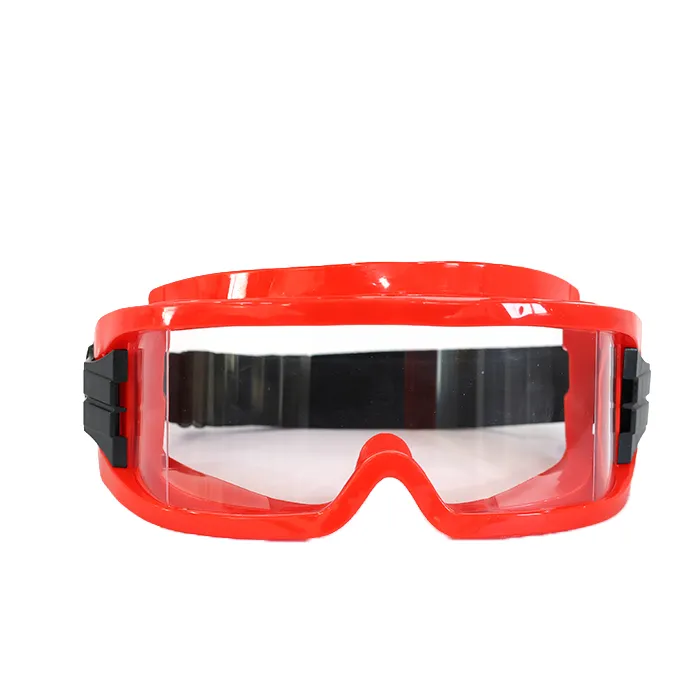
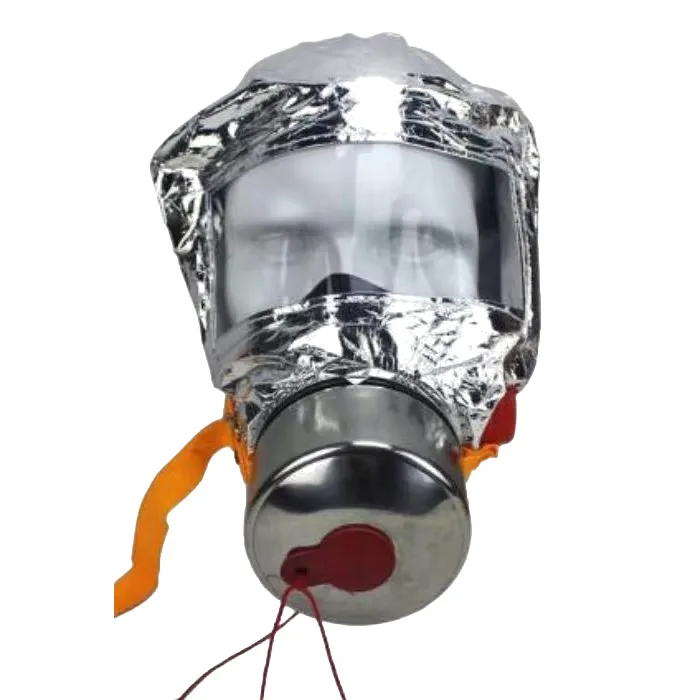
When it comes to respiratory protection, it's not just about the respirator itself. You also need to consider other accessories, such as Self-rescue Respirator, Fireproof Goggles, and Flame-retardant Headgear. These accessories can provide additional protection and enhance the overall effectiveness of your respiratory protection system.
Now, let's talk about how to maintain your respiratory protection equipment. Proper maintenance is essential to ensure that your gear continues to meet the standards. You should follow the manufacturer's instructions for cleaning, storing, and replacing parts. Regular inspections are also important to check for any signs of damage or wear.
If you're not sure if your respiratory protection meets the standards, you can always consult with a professional. There are companies and experts who specialize in respiratory protection testing and certification. They can help you determine if your gear is up to par and provide recommendations for improvement.
As a supplier of respiratory protection equipment, I'm here to help you make sure you have the right gear for the job. We offer a wide range of products that are certified to meet the highest standards. Whether you need a respirator for a specific industry or a general-purpose solution, we've got you covered.
If you're interested in learning more about our products or have any questions about respiratory protection, don't hesitate to reach out. We're always happy to have a chat and help you find the best solution for your needs.
In conclusion, knowing if your respiratory protection meets the standards is crucial for your safety. By looking for certification marks, considering the type of protection you need, ensuring a good fit, and maintaining your equipment properly, you can make sure that you're well-protected in any environment. And if you need any help or have any questions, we're here for you.
References:
- National Institute for Occupational Safety and Health (NIOSH)
- Occupational Safety and Health Administration (OSHA)
Send Inquiry