


What are the maintenance costs associated with a fire sprinkler pump?
Sep 30, 2026
Leave a message
Hey there! As a supplier of fire sprinkler pumps, I often get asked about the maintenance costs associated with these crucial pieces of equipment. In this blog, I'll break down the various factors that contribute to the maintenance costs of a fire sprinkler pump and give you a better idea of what to expect.
1. Initial Inspection and Commissioning
When you first install a fire sprinkler pump, there's an initial inspection and commissioning process. This isn't exactly a "maintenance" cost in the long - term sense, but it's an important upfront expense. You need to make sure the pump is installed correctly, all the connections are tight, and it's functioning as it should. Professional technicians usually handle this, and their fees can vary depending on the complexity of the installation. A simple residential system might cost a few hundred dollars for inspection and commissioning, while a large commercial or industrial setup could run into thousands.
2. Routine Maintenance
A. Regular Inspections
Regular inspections are a must for fire sprinkler pumps. You should have a professional come in at least once a year to check the pump's components. This includes looking at the motor, the impeller, the valves, and the piping. During these inspections, the technician will check for any signs of wear and tear, leaks, or blockages. The cost of these annual inspections can range from $200 to $500, depending on the size and type of the pump.
B. Lubrication
The moving parts of a fire sprinkler pump need to be lubricated regularly. This helps reduce friction and wear, which in turn extends the life of the pump. The lubricants themselves are relatively inexpensive, usually costing around $50 to $100 per year. However, the labor cost to apply the lubricant can add up. If you have a professional do it, you might be looking at an additional $100 to $200 per year.
C. Testing
Periodic testing of the fire sprinkler pump is crucial to ensure it will work when needed. This includes running the pump for a short period to check its performance. The cost of testing depends on how often it's done and the complexity of the system. Quarterly testing might cost around $150 to $300 each time, while monthly testing could be more expensive.
3. Component Replacement
Over time, certain components of the fire sprinkler pump will need to be replaced.
A. Impellers
The impeller is a key part of the pump that moves the water. If it gets damaged or worn out, it needs to be replaced. The cost of a new impeller can vary widely depending on the size and type of the pump. A small impeller for a residential system might cost around $100 to $200, while a large impeller for an industrial pump could cost $500 or more. And don't forget the labor cost to install it, which could be another $100 to $300.
B. Motors
The motor is the power source of the pump. If it fails, it's a major expense. A new motor can cost anywhere from $500 to several thousand dollars, depending on its power and specifications. Installation of a new motor also requires skilled labor, which can add another few hundred dollars to the cost.
C. Valves and Piping
Valves and piping can also develop leaks or blockages over time. Replacing a valve might cost around $50 to $200, and fixing or replacing piping can be more expensive, depending on the length and complexity of the system.
4. Energy Costs
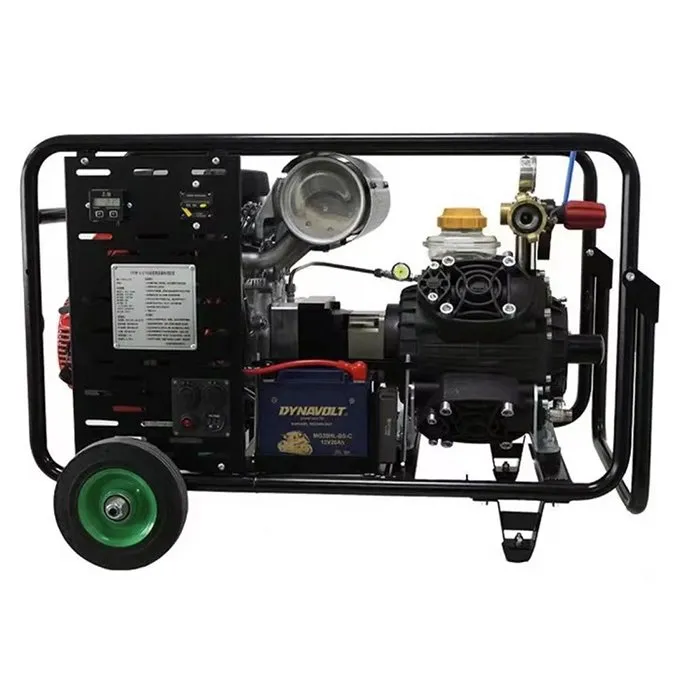
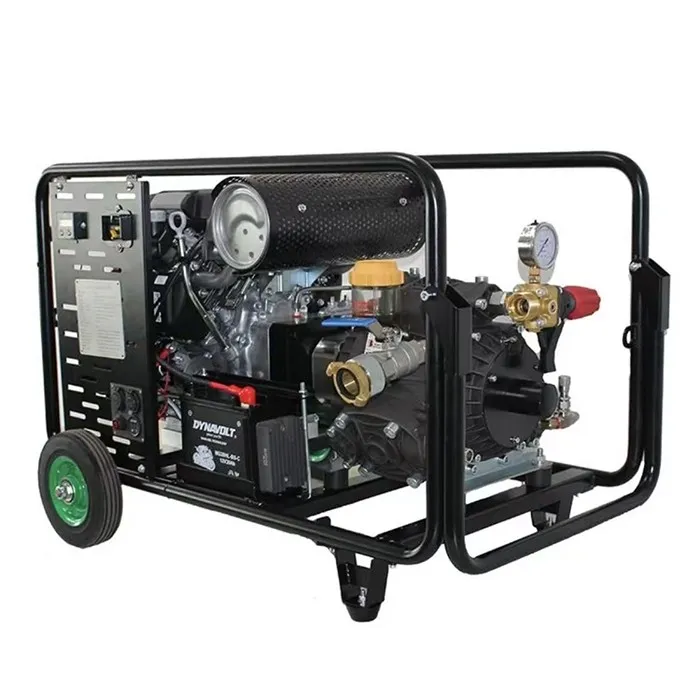
Fire sprinkler pumps consume energy to operate. The amount of energy used depends on the size and power of the pump, as well as how often it runs. A small residential pump might cost a few dollars per month in electricity, while a large commercial or industrial pump could cost hundreds of dollars per month. You can try to reduce energy costs by using more energy - efficient pumps. For example, our Wildfire Pump is designed to be energy - efficient, which can save you money in the long run.
5. Cost - Saving Tips
- Preventive Maintenance: By doing regular inspections and maintenance, you can catch small problems before they turn into big, expensive ones.
- Choose the Right Pump: Make sure you select a pump that is properly sized for your needs. An oversized pump will consume more energy and may have higher maintenance costs. We offer a range of pumps, including the Medium - sized High - pressure Fire Pump and the Heavy - duty High - pressure Fire Pump, to suit different requirements.
- Train Your Staff: If you have an in - house maintenance team, train them to do basic maintenance tasks. This can save you on labor costs.
Conclusion
The maintenance costs associated with a fire sprinkler pump can vary widely depending on the size, type, and usage of the pump. However, by understanding the different factors involved and taking steps to reduce costs, you can keep your fire sprinkler system in good working condition without breaking the bank.
If you're in the market for a fire sprinkler pump or want to learn more about maintenance costs, don't hesitate to reach out. We're here to help you make the right choice and ensure your fire protection system is both effective and cost - efficient.
References
- NFPA 20: Standard for the Installation of Stationary Pumps for Fire Protection
- Manufacturer's manuals for fire sprinkler pumps
Send Inquiry