


What are the signs that respiratory protection needs to be replaced?
Jul 13, 2026
Leave a message
Yo, fellow safety enthusiasts! As a supplier of respiratory protection gear, I've seen firsthand how crucial it is to know when it's time to replace your equipment. In this blog, I'm gonna break down the signs that indicate your respiratory protection needs a swap.
Physical Damage
One of the most obvious signs that your respiratory protection needs to be replaced is physical damage. This can include things like cracks, tears, or holes in the mask or respirator. Even a small crack can compromise the seal and allow harmful substances to enter your breathing space.
For example, if you notice a tear in the rubber seal of your respirator, it's time to get a new one. A damaged seal means that the respirator won't fit properly, and you won't get the protection you need. Similarly, if the mask has a crack in the plastic shell, it can't effectively filter out contaminants.
Another type of physical damage to look out for is wear and tear on the straps. Over time, the straps can stretch or break, making it difficult to keep the mask in place. If the straps are frayed or loose, it's a good idea to replace them or the entire respirator.
Reduced Filtration Efficiency
Respiratory protection devices are designed to filter out harmful particles and chemicals from the air. However, over time, the filters can become clogged or saturated, reducing their efficiency.
If you notice that it's becoming harder to breathe through your respirator, it could be a sign that the filter is clogged. This can happen if you're using the respirator in a high - particulate environment. For instance, if you're working in a construction site where there's a lot of dust, the filter will fill up more quickly.
You can also check the manufacturer's guidelines for the recommended service life of the filter. Some filters need to be replaced after a certain number of hours of use, while others are designed to last for a specific period of time. If you've exceeded the recommended service life, it's time to replace the filter.
Change in Odor or Taste
If you start to notice an unusual odor or taste when using your respiratory protection, it's a sign that something is wrong. This could be due to a chemical reaction inside the respirator or the growth of bacteria.
For example, if you're using a respirator in a chemical - laden environment, the filter may be breaking down and releasing chemicals. This can result in a strange odor or taste. In some cases, it could also be a sign that the respirator has been contaminated with mold or other microorganisms.
If you experience an unpleasant odor or taste, stop using the respirator immediately and replace it. Continuing to use a contaminated respirator can be dangerous to your health.
Poor Fit
A proper fit is essential for effective respiratory protection. If the mask or respirator doesn't fit correctly, it won't form a tight seal around your face, allowing air to leak in.
You can perform a fit test to check if your respirator fits properly. To do this, cover the exhalation valve with your hand and inhale gently. If you feel air leaking in around the edges of the mask, it doesn't fit well. You may need to adjust the straps or try a different size or model.
Over time, your face shape can change due to factors like weight gain or loss, or the natural aging process. This can affect the fit of your respiratory protection. If you notice that your respirator doesn't fit as well as it used to, it's time to get a new one.
Expiration Date
Most respiratory protection devices have an expiration date. This is because the materials used in the construction of the respirator can degrade over time, reducing its effectiveness.
Make sure to check the expiration date on your respirator before using it. If it has expired, don't use it. Instead, replace it with a new one. The expiration date is usually printed on the packaging or on the respirator itself.
Compatibility Issues
Sometimes, you may find that your respiratory protection is no longer compatible with other safety equipment you're using. For example, if you're using a Flame-retardant Headgear and a respirator, they need to work together properly.
If you notice that the respirator doesn't fit well with your headgear or other safety equipment, it could be a sign that you need to replace one or both of them. Compatibility issues can affect the overall effectiveness of your safety gear.
Exposure to Extreme Conditions
If your respiratory protection has been exposed to extreme conditions, such as high temperatures, humidity, or chemicals, it may need to be replaced. Extreme conditions can damage the materials of the respirator and reduce its effectiveness.
For example, if you're working in a fire - fighting situation and your respirator has been exposed to high heat, it may have been damaged. Similarly, if you're using a respirator in a chemical - spill cleanup, the chemicals may have corroded the filter or other parts of the respirator.
In these cases, it's best to err on the side of caution and replace the respiratory protection.
Manufacturer's Recommendations
Always follow the manufacturer's recommendations for replacing your respiratory protection. The manufacturer knows the product best and can provide specific guidelines on when to replace the equipment.
They may recommend replacing the respirator after a certain number of uses, or after it has been exposed to certain conditions. Make sure to read the user manual and follow the instructions carefully.
Conclusion
Knowing the signs that your respiratory protection needs to be replaced is crucial for your safety. Whether it's physical damage, reduced filtration efficiency, or a poor fit, it's important to take action as soon as you notice any of these signs.
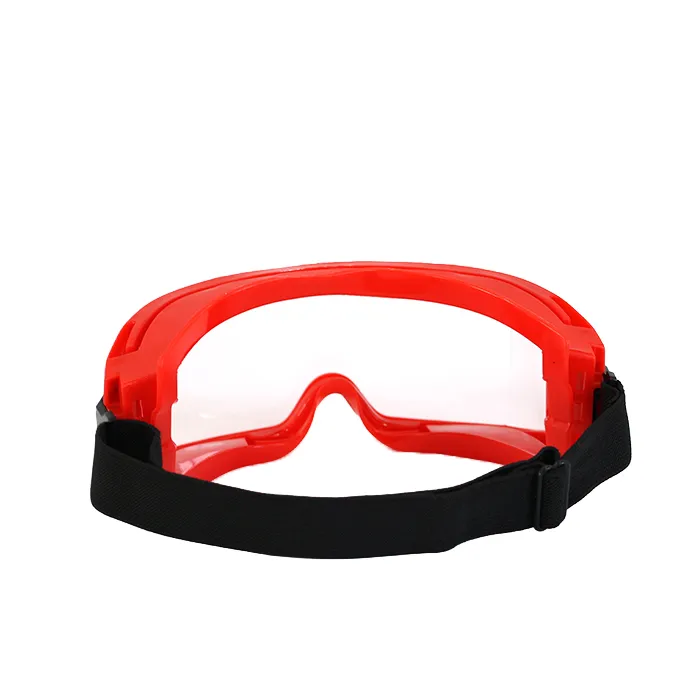
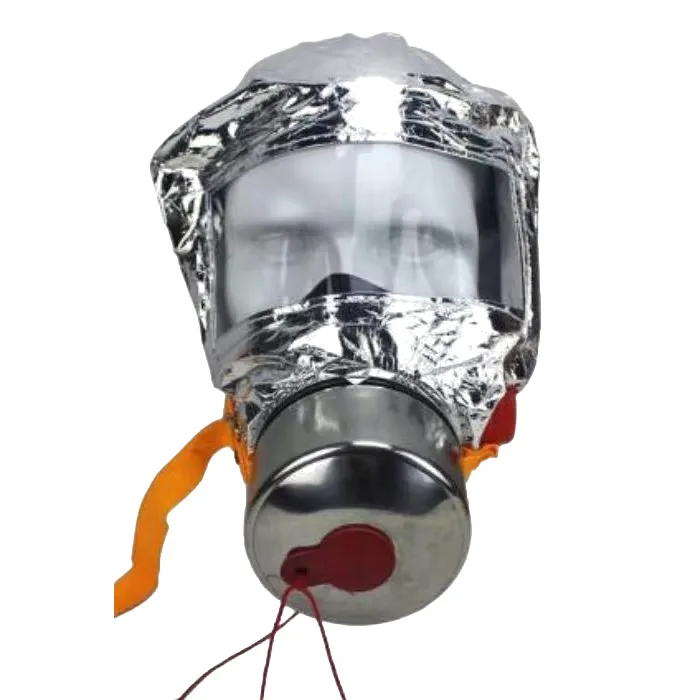
If you're in the market for new respiratory protection, we've got you covered. We offer a wide range of high - quality products, including Flame-retardant Headgear, Fireproof Goggles, and Self-rescue Respirator.
If you have any questions or want to discuss your procurement needs, feel free to reach out. We're here to help you find the best respiratory protection for your specific requirements.
References
- Occupational Safety and Health Administration (OSHA) guidelines on respiratory protection.
- Manufacturer's user manuals for respiratory protection devices.
Send Inquiry