


How to choose the right firefighting blower for my needs?
Jul 10, 2026
Leave a message
Hey there! As a supplier of firefighting equipment, I get a ton of questions about how to pick the right firefighting blower for different needs. It's not as straightforward as it might seem, so I thought I'd break it down for you.
First off, let's talk about what a firefighting blower is. A Firefighting Blower is a powerful tool used to combat fires. It works by creating a strong stream of air that can push flames away, disperse smoke, and help in controlling the spread of a fire. But with so many options out there, how do you know which one is the best fit for you?
Understanding Your Needs
The first step in choosing the right firefighting blower is to understand your specific needs. Are you dealing with wildfires in large open areas, or are you looking for something to handle small fires in a more confined space like a warehouse or a factory?
If you're fighting wildfires, you'll need a blower with high power and a wide air blast. These blowers are designed to cover large areas quickly and can handle the intense heat and strong winds often associated with wildfires. On the other hand, if you're dealing with smaller fires, a more compact and portable blower might be sufficient.
Power and Performance
Power is a crucial factor when it comes to firefighting blowers. The power of a blower is usually measured in terms of air volume and air pressure. Higher air volume means the blower can move more air, which is great for pushing flames and smoke away. Higher air pressure, on the other hand, allows the blower to reach further and penetrate through dense smoke and flames.
When looking at the power of a blower, pay attention to the CFM (cubic feet per minute) rating. This rating indicates how much air the blower can move in a minute. A higher CFM rating generally means a more powerful blower. However, keep in mind that a higher CFM also means higher energy consumption and potentially more noise.
Another important aspect of performance is the blower's durability. Firefighting is a tough job, and your blower needs to be able to withstand the harsh conditions. Look for blowers made from high-quality materials that can resist heat, impact, and corrosion.
Portability
Portability is another key consideration, especially if you need to move the blower around frequently. If you're fighting wildfires, you'll likely need a blower that is easy to carry and operate in different terrains. Portable blowers are usually lighter and more compact, making them ideal for firefighters on the go.
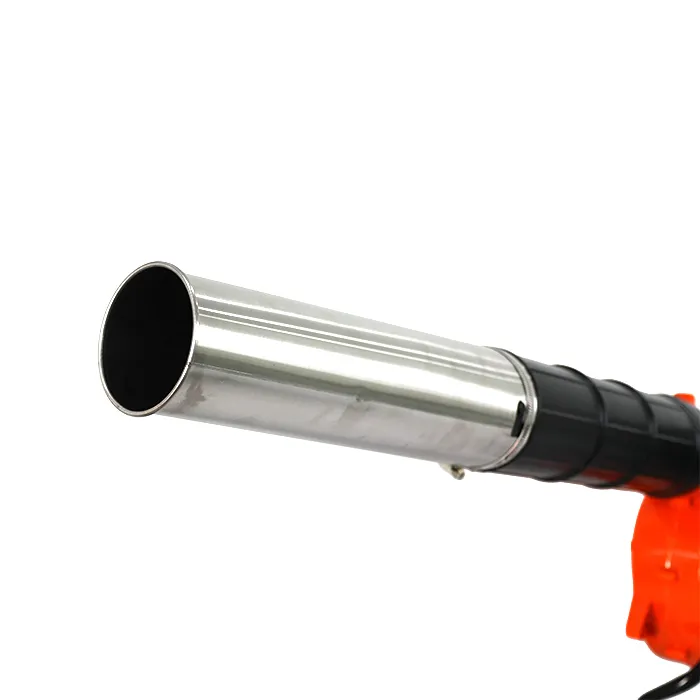
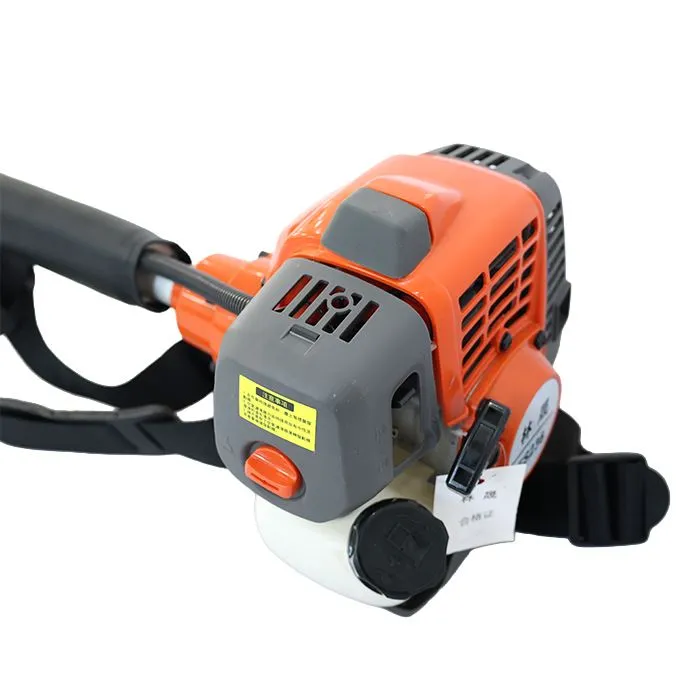
Some blowers come with features like wheels or backpack straps to make them easier to transport. If you're working in a confined space, a handheld blower might be the best option as it allows for more maneuverability.
Noise Level
Noise can be a significant issue, especially in residential areas or when working in close proximity to other people. Some blowers can be quite loud, which can not only be a nuisance but also pose a risk to your hearing. When choosing a blower, look for models that are designed to operate quietly.
Many modern blowers come with noise-reducing features, such as mufflers or soundproofing materials. These features can help reduce the noise level without sacrificing performance.
Fuel Type
Firefighting blowers can be powered by different types of fuel, including gasoline, diesel, and electricity. Each fuel type has its own advantages and disadvantages.
Gasoline-powered blowers are popular because they are portable and can be used in remote areas where there is no access to electricity. However, they require regular maintenance and can be noisy and emit exhaust fumes.
Diesel-powered blowers are more powerful and fuel-efficient than gasoline-powered blowers. They are also more durable and can handle heavy-duty use. However, they are usually more expensive and require more maintenance.
Electric blowers are quiet, clean, and easy to use. They are ideal for indoor use or in areas where noise and emissions are a concern. However, they are limited by the length of the power cord and require access to an electrical outlet.
Additional Features
Some firefighting blowers come with additional features that can enhance their performance and usability. For example, some blowers have adjustable air speed settings, which allow you to control the intensity of the air blast. This can be useful when dealing with different types of fires or when working in different environments.
Other features to look for include a long-lasting battery, a comfortable grip, and easy-to-use controls. These features can make the blower more comfortable and convenient to use, especially during long firefighting operations.
Comparing Different Models
Once you've determined your needs and considered the factors mentioned above, it's time to compare different models of firefighting blowers. Look for reviews and ratings from other customers to get an idea of the performance and reliability of each model.
You can also visit a local firefighting equipment store or a trade show to see the blowers in person and test them out. This will give you a better understanding of how the blowers feel and operate.
Our Product Range
As a supplier of firefighting equipment, we offer a wide range of Firefighting Blower models to suit different needs. Our blowers are designed to be powerful, durable, and easy to use.
We also offer other related products, such as the Power Scythe and the Portable Wind-powered Fire Extinguisher. These products can be used in conjunction with our blowers to enhance their effectiveness.
Contact Us for Purchase
If you're interested in purchasing a firefighting blower or any of our other products, we'd love to hear from you. We can provide you with more information about our products, answer any questions you may have, and help you choose the right equipment for your needs.
Don't hesitate to reach out to us to start the procurement negotiation process. We're here to assist you in finding the best firefighting solutions for your requirements.
References
- Firefighting Equipment Handbook
- Industry standards and guidelines for firefighting blowers
Send Inquiry