


Do forest fire protection gloves have a lining?
Jul 07, 2026
Leave a message
Hey there! As a supplier of Forest Fire Protection Gloves, I often get asked if these gloves have a lining. Well, let's dive right into it.
First off, what exactly is a lining in gloves? A lining is an inner layer of material that can serve multiple purposes. It can provide extra comfort, offer additional insulation, or even help with moisture management.
In the case of forest fire protection gloves, having a lining can be a game - changer. When firefighters are out in the field, dealing with intense heat, sharp branches, and all sorts of debris, their hands are under a lot of stress. A lining can add that extra layer of protection and comfort.
Let's talk about the different types of linings that can be used in forest fire protection gloves. One common type is a thermal lining. This kind of lining is designed to keep the hands warm in cold conditions, which can be a factor during early morning or late - night firefighting operations. It acts as a barrier between the extreme heat from the fire and the skin, reducing the risk of burns.
Another type is a moisture - wicking lining. Firefighting is a physically demanding job, and hands can get sweaty. A moisture - wicking lining helps to draw the sweat away from the skin, keeping the hands dry. This not only enhances comfort but also reduces the chances of blisters and skin irritation.
Now, let's look at the materials used for these linings. Some linings are made from synthetic materials like polyester or nylon. These materials are lightweight, durable, and can be engineered to have specific properties such as moisture - wicking or thermal insulation. For example, polyester linings are known for their quick - drying capabilities, which is great for keeping hands dry during long - hours of firefighting.
On the other hand, natural materials like wool can also be used as linings. Wool is a great insulator and can keep hands warm even when it's wet. It also has natural antibacterial properties, which can help prevent unpleasant odors.
But not all forest fire protection gloves have a lining. Some gloves are designed to be more lightweight and breathable, especially for situations where the heat is not extremely high. In these cases, the focus might be more on dexterity and flexibility. Without a lining, the gloves can be thinner and allow for better movement of the fingers, which is crucial when handling tools and equipment.
However, for more intense firefighting scenarios, a lined glove is often the better choice. The lining provides that extra layer of protection and comfort that can make a big difference in the long run.
As a supplier, I've seen firsthand the impact of a good lining in forest fire protection gloves. Firefighters who use lined gloves often report less fatigue and better performance. They can focus more on the task at hand rather than being distracted by discomfort or the risk of burns.
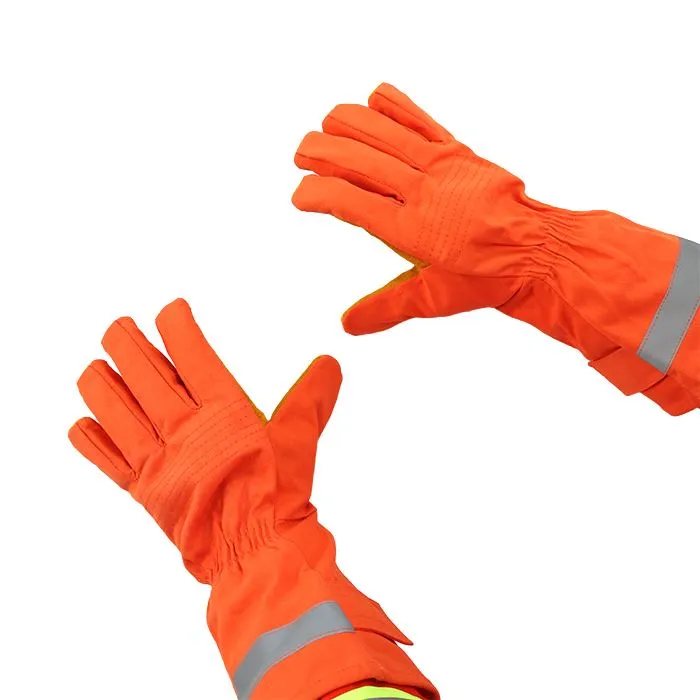
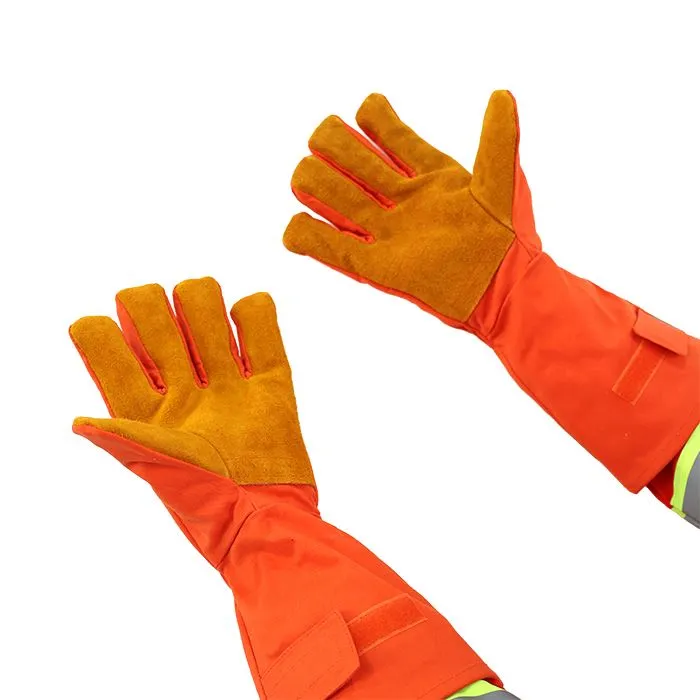
If you're in the market for forest fire protection gloves, you might want to check out our Forest Fireproof Gloves, Forest Fire Protection Gloves, and Forest Firefighting Gloves. These gloves are designed with different types of linings to meet the diverse needs of firefighters.
Whether you're a professional firefighter, a forest ranger, or someone involved in wildfire prevention, having the right gloves is essential. A good pair of forest fire protection gloves can not only protect your hands but also improve your overall performance in the field.
If you're interested in learning more about our products or have any questions about the linings in our gloves, don't hesitate to reach out. We're here to help you find the perfect pair of gloves for your needs. Whether you need a glove with a thermal lining for cold conditions or a moisture - wicking lining for long - hours of work, we've got you covered.
So, if you're looking to purchase high - quality forest fire protection gloves, let's start a conversation. We can discuss your specific requirements and find the best solution for you.
References:
- Firefighting Gear Handbook
- Forest Fire Protection Research Reports
Send Inquiry