


Are there any differences in firefighting gloves for fire training exercises?
Jul 14, 2026
Leave a message
Firefighting is a perilous profession that demands top - notch equipment to ensure the safety and effectiveness of firefighters. Among the essential gear, firefighting gloves play a crucial role, especially during fire training exercises. As a reputable firefighting gloves supplier, I've witnessed firsthand the importance of understanding the differences in gloves designed for these exercises.
Material Composition
One of the most significant differences in firefighting gloves for training exercises lies in their material composition. For general fire training, gloves are often made from a combination of leather and synthetic materials. Leather provides durability and some level of heat resistance. Cowhide leather, for example, is a popular choice as it can withstand abrasion and minor heat exposure. Synthetic materials, such as Kevlar, are added to enhance the glove's cut - and puncture - resistance.
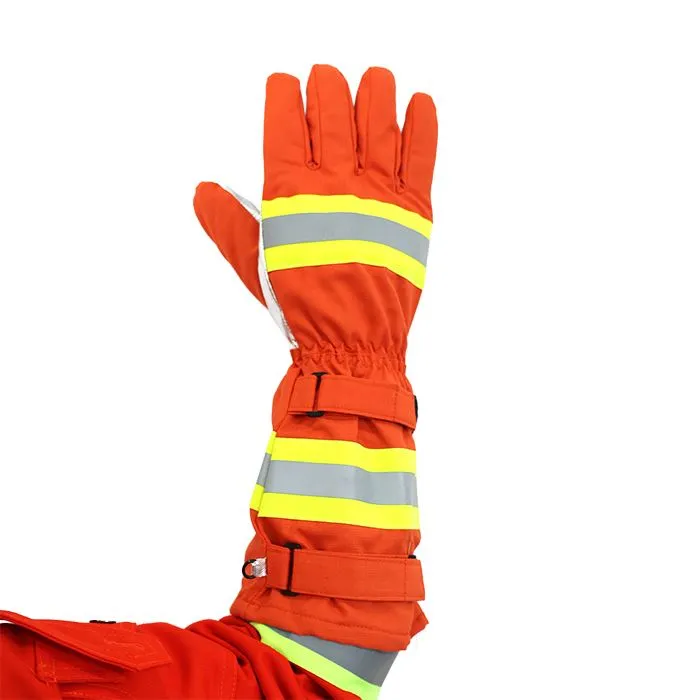
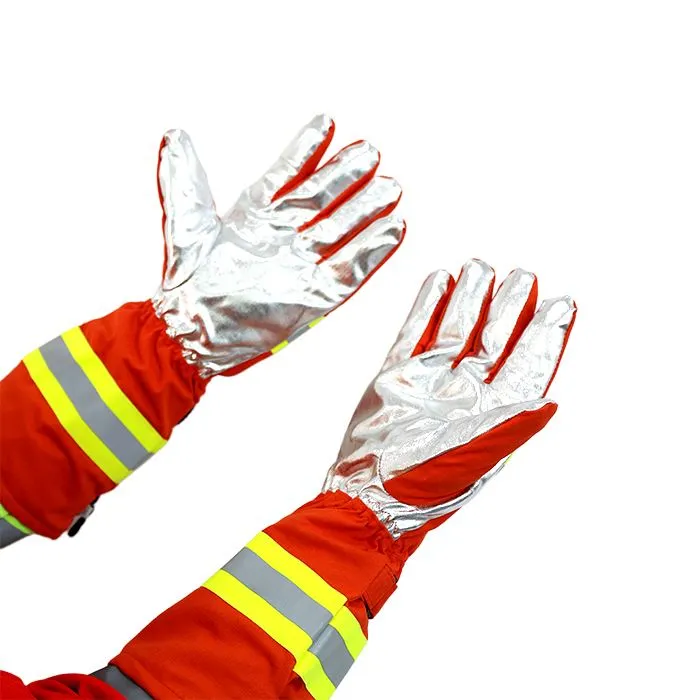
In contrast, gloves used for more specialized fire training, like forest fire training, have a different material focus. Forest Firefighting Gloves are typically made with materials that can withstand the unique challenges of forest fires. These gloves often incorporate fire - resistant fibers that can endure high - intensity heat and protect against sharp branches and thorns. The outer layer might be made of a heat - reflective material to deflect the intense heat radiated by forest fires.
Heat Resistance Levels
The heat resistance of firefighting gloves is a critical factor. In standard fire training exercises, which may simulate building fires, gloves need to protect against moderate heat levels. These gloves are usually rated to withstand temperatures up to a few hundred degrees Celsius for a short period. They are designed to insulate the hands from the heat of flames, hot surfaces, and embers.
However, in forest fire training, the heat resistance requirements are much higher. Forest Fireproof Gloves are engineered to resist the extreme heat generated by large - scale forest fires. These gloves can withstand temperatures well above what standard training gloves can handle, sometimes reaching over a thousand degrees Celsius. This high - level heat resistance is essential as forest fires can spread rapidly and generate intense heat fronts.
Dexterity and Mobility
Dexterity is another aspect where differences can be observed. In general fire training exercises, firefighters need to perform a variety of tasks, such as opening doors, handling hoses, and operating equipment. Gloves for these exercises are designed to provide a good balance between protection and dexterity. They are often flexible, allowing firefighters to grip objects firmly and perform fine - motor tasks with relative ease.
On the other hand, forest fire training gloves may sacrifice some dexterity for increased protection. The thick, heat - resistant materials used in Forest Fire Protection Gloves can make the gloves bulkier. While this reduces the ability to perform extremely fine - motor tasks, it is a necessary trade - off to protect the hands from the harsh conditions of forest fires, including contact with burning vegetation and hot debris.
Comfort and Fit
Comfort is a vital consideration for firefighters during training exercises. Gloves that are too tight can restrict blood circulation and cause discomfort, while gloves that are too loose can reduce grip and increase the risk of injury. In standard fire training, gloves are designed to fit snugly but still allow for a full range of motion. They often have adjustable closures, such as Velcro straps, to ensure a proper fit.
For forest fire training, comfort takes on a different dimension. The gloves need to be comfortable for long - term use in outdoor environments. They may have additional padding in areas that are prone to pressure points, such as the palm and fingers. Moisture - wicking materials are also commonly used to keep the hands dry, as forest fire training can be physically demanding and cause sweating.
Durability and Longevity
The durability of firefighting gloves is crucial, especially during training exercises where they are subjected to wear and tear. In general fire training, gloves are expected to last through multiple training sessions. They are made from materials that can resist abrasion, tearing, and minor damage.
Forest fire training gloves, however, face more severe conditions. The rough terrain, sharp objects, and intense heat in forest environments can quickly wear down gloves. As a result, Forest Firefighting Gloves are built to be extremely durable. They are often reinforced in high - stress areas, such as the fingertips and the back of the hand, to withstand the rigors of forest fire training.
Cost Considerations
Cost is an important factor for fire departments and training facilities when choosing firefighting gloves. Standard fire training gloves are generally more affordable as they are designed for less extreme conditions. They use a combination of common materials and have a relatively simple design.
In contrast, forest fire training gloves are more expensive. The specialized materials and advanced manufacturing processes required to meet the high - level protection needs of forest fires contribute to the higher cost. However, the investment is justified by the increased safety and performance they provide in forest fire training scenarios.
Conclusion
In conclusion, there are indeed significant differences in firefighting gloves for fire training exercises. These differences are driven by the specific requirements of different types of fire training, whether it's general building fire training or forest fire training. As a firefighting gloves supplier, I understand the importance of providing the right gloves for each situation.
If you're in charge of a fire department or a training facility and are looking for high - quality firefighting gloves, we can offer a wide range of options to meet your needs. Whether you need gloves for standard fire training or specialized forest fire training, we have the expertise and products to ensure the safety and effectiveness of your firefighters. Contact us to discuss your requirements and start a procurement negotiation today.
References
- NFPA Standards for Firefighting Gloves
- Research studies on the performance of different firefighting glove materials
- Manufacturer specifications for various types of firefighting gloves
Send Inquiry