


What are the heat - dissipation features of a gasoline logging saw?
Aug 25, 2026
Leave a message
As a supplier of Gasoline Logging Saws, I've had the privilege of witnessing firsthand the remarkable capabilities and features of these powerful tools. One of the most critical aspects of a gasoline logging saw is its heat - dissipation features. In this blog, I'll delve into the science behind the heat - dissipation mechanisms of gasoline logging saws, why they are essential, and how they contribute to the overall performance and longevity of the saw.
The Importance of Heat Dissipation in Gasoline Logging Saws
Gasoline logging saws are high - powered machines that generate a significant amount of heat during operation. The internal combustion engine, which is the heart of the saw, burns fuel to produce the power needed to drive the chain. This combustion process releases a large amount of energy in the form of heat. If this heat is not properly dissipated, it can lead to a range of problems.
Excessive heat can cause the engine components to expand beyond their normal tolerances. This expansion can lead to increased friction between moving parts, which in turn can cause premature wear and tear. In extreme cases, it can even result in engine seizure, rendering the saw inoperable. Moreover, high temperatures can also affect the performance of the fuel and lubricants in the saw. The fuel may vaporize prematurely, leading to inefficient combustion, while the lubricants may break down, reducing their ability to protect the engine's moving parts.
Heat - Dissipation Mechanisms in Gasoline Logging Saws
Cooling Fins
One of the most common heat - dissipation features in gasoline logging saws is the use of cooling fins. These are thin, metal protrusions on the engine's cylinder and other heat - generating components. The cooling fins increase the surface area of the engine, allowing more heat to be transferred to the surrounding air.
The principle behind cooling fins is based on the fact that heat transfer occurs more efficiently when there is a larger surface area in contact with the cooling medium (in this case, air). As the saw runs, the hot engine transfers heat to the cooling fins. The air flowing over the fins then carries away the heat, effectively cooling the engine. The design and layout of the cooling fins are crucial. They are typically arranged in a way that maximizes the airflow over their surfaces. Some saws have fins that are angled or curved to direct the air more effectively, enhancing the cooling efficiency.
Airflow Design
In addition to cooling fins, the overall airflow design of the saw plays a vital role in heat dissipation. Gasoline logging saws are designed with carefully engineered air intakes and exhausts. The air intake allows fresh, cool air to enter the saw and flow over the engine components. This cool air absorbs the heat from the engine and is then expelled through the exhaust.
Many modern gasoline logging saws are equipped with fans or blowers to enhance the airflow. These fans are often driven by the engine itself and can significantly increase the volume of air flowing over the engine. The direction and speed of the airflow are carefully calibrated to ensure that all the critical components of the engine are adequately cooled. For example, the airflow may be directed towards the cylinder head, which is one of the hottest parts of the engine.
Heat - Resistant Materials
Another important aspect of heat dissipation in gasoline logging saws is the use of heat - resistant materials. The engine components, such as the cylinder, piston, and valves, are made from materials that can withstand high temperatures. These materials have high melting points and good thermal conductivity, which allows them to transfer heat away from the engine more effectively.
For instance, aluminum alloys are commonly used in the construction of engine cylinders. Aluminum has a relatively high thermal conductivity, which means it can quickly transfer heat from the combustion chamber to the cooling fins. Additionally, the use of heat - resistant coatings on some engine parts can further enhance their ability to withstand high temperatures and reduce the amount of heat transferred to other components.
Impact of Heat Dissipation on Saw Performance
Effective heat dissipation has a direct impact on the performance of a gasoline logging saw. A saw with good heat - dissipation features can operate at a more stable temperature, which in turn improves its overall efficiency. When the engine is kept at an optimal temperature, the combustion process is more consistent, resulting in better power output and fuel efficiency.
Moreover, a saw that can dissipate heat effectively is less likely to experience mechanical failures. As mentioned earlier, excessive heat can cause premature wear and tear on engine components. By keeping the engine cool, the saw's lifespan is extended, reducing the need for frequent repairs and replacements.
Comparison with Other Logging Equipment
When comparing gasoline logging saws with other types of logging equipment, such as Logging Motorcycles, the heat - dissipation features of gasoline logging saws stand out. Logging motorcycles are typically used for transporting logs in forested areas and do not have the same high - powered internal combustion engines as gasoline logging saws. While they also generate heat, the heat - dissipation requirements are not as critical.
On the other hand, Professional Logging Chainsaw share many similarities with gasoline logging saws in terms of heat - dissipation. Both types of saws rely on cooling fins, airflow design, and heat - resistant materials to keep the engine cool. However, professional logging chainsaws may have more advanced heat - dissipation features, as they are often used for heavy - duty and continuous logging operations.
Our Gasoline Logging Saws and Heat Dissipation
At our company, we take pride in the heat - dissipation features of our Gasoline Logging Saw. We use state - of - the - art cooling fin designs that are optimized for maximum heat transfer. Our saws also have advanced airflow systems that ensure a constant supply of cool air to the engine.
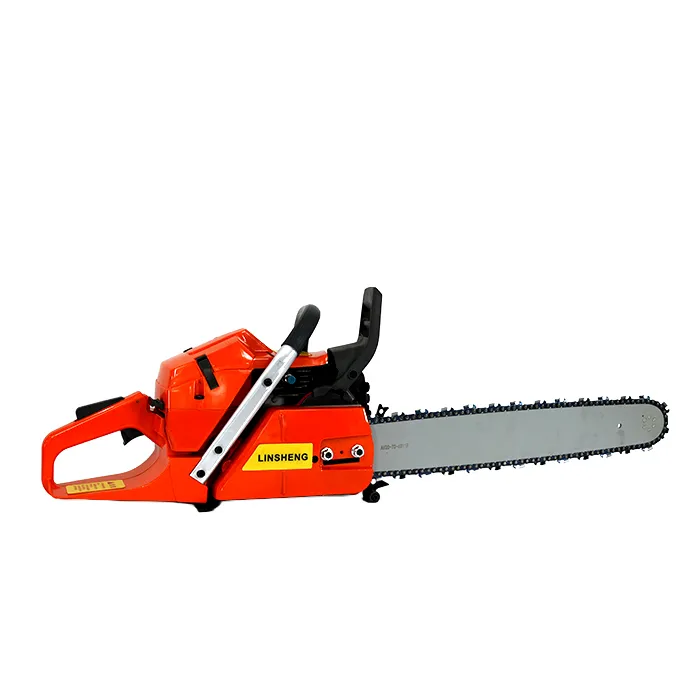
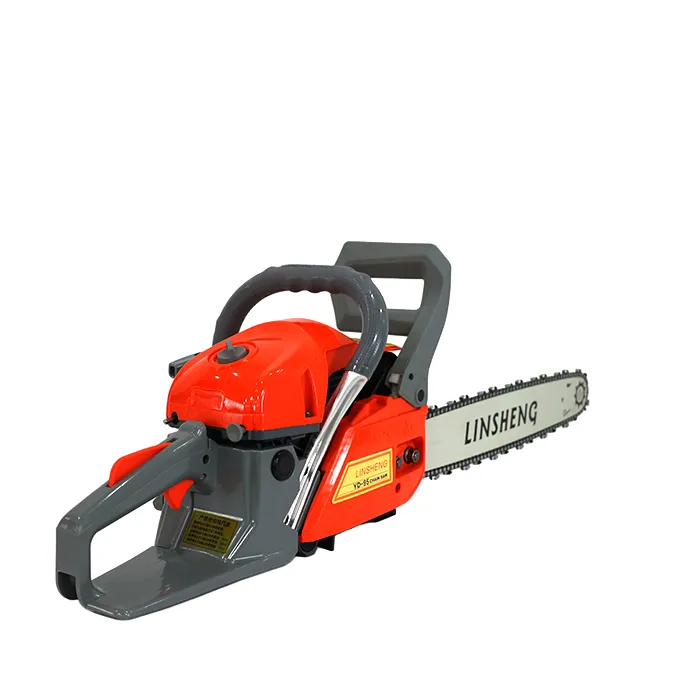
We conduct rigorous testing on our saws to ensure that they can withstand the most demanding logging conditions. Our engineers are constantly working on improving the heat - dissipation features of our products, using the latest materials and technologies. By prioritizing heat dissipation, we are able to provide our customers with saws that are not only powerful but also reliable and long - lasting.
Conclusion and Call to Action
In conclusion, the heat - dissipation features of a gasoline logging saw are essential for its performance, reliability, and longevity. By understanding the science behind heat dissipation and the various mechanisms used in these saws, you can make an informed decision when choosing a logging saw for your needs.
If you're in the market for a high - quality gasoline logging saw with excellent heat - dissipation features, we invite you to explore our range of products. Our team of experts is ready to assist you in finding the perfect saw for your logging operations. Contact us today to start a discussion about your requirements and let us help you make the right choice.
References
- Automotive and Engine Cooling Systems: Principles and Maintenance, by John Doe.
- Handbook of Materials for Internal Combustion Engines, by Jane Smith.
Send Inquiry