


How do firefighting gloves handle molten metal splashes?
Oct 09, 2026
Leave a message
Firefighting is a harrowing and high - stakes job that demands not just courage but also top - notch equipment. Among the essential gear, firefighting gloves serve as a frontline defense for firefighters' hands, especially when dealing with extreme hazards like molten metal splashes. As a firefighting gloves supplier, I've had the opportunity to delve deep into the science and technology behind how these gloves stand up against such perilous threats.
Molten metal, whether it's from industrial accidents, foundry fires, or other high - temperature scenarios, poses multiple risks. It can cause severe burns, damage the integrity of skin tissue, and even lead to long - term disabilities. So, how do our firefighting gloves handle these molten metal splashes?
The Materials Matter
The first line of defense in our gloves is the choice of materials. We use a combination of high - tech fabrics and heat - resistant fibers that are specifically engineered to withstand extreme temperatures. Aramid fibers, for example, are a staple in our glove construction. These fibers have excellent heat resistance and can maintain their strength even at high temperatures. They act as a barrier, preventing the molten metal from directly contacting the skin.
Another material we often incorporate is aluminized fabric. Aluminized materials are great at reflecting heat. When a molten metal splash hits the glove, the aluminized layer reflects a significant portion of the heat energy away from the glove and the wearer's hand. This helps to reduce the amount of heat transferred to the inner layers of the glove and ultimately to the skin.
We also use layers of insulation materials. These insulators are designed to slow down the transfer of heat. They work like a buffer zone between the outer layer that's facing the molten metal and the inner layer that's in contact with the hand. By slowing down the heat transfer, the insulation gives the wearer more time to react and move their hands away from the source of the molten metal without getting burned.
Design and Construction
The design of our firefighting gloves is just as important as the materials used. We've spent countless hours perfecting the construction to ensure maximum protection. The gloves are made in multiple layers, each with a specific function.
The outer layer is tough and abrasion - resistant. It needs to be able to withstand the impact of the molten metal splashes without tearing or breaking. This outer layer also has a smooth surface in some of our designs, which helps the molten metal to roll off rather than sticking to the glove.
The middle layers are where most of the insulation and heat - resistant materials are located. These layers are carefully stitched together to ensure there are no gaps or weak points where the molten metal could seep through.
The inner layer is soft and comfortable, designed to provide a good grip while also protecting the hand from any residual heat that might have passed through the outer layers. It's made from materials that are breathable, so the hand doesn't get too sweaty during long - term use.
Testing and Certification
We don't just rely on theory when it comes to the performance of our gloves. Every batch of gloves goes through rigorous testing to ensure they can handle molten metal splashes. We use industry - standard testing methods that simulate real - world scenarios.
For example, we test the gloves by exposing them to controlled molten metal splashes at different temperatures and velocities. We measure the heat transfer through the glove to the wearer's hand and the time it takes for the glove to reach a critical temperature. Only gloves that pass these tests are certified and sent out for sale.
Our gloves also comply with international safety standards. These standards are put in place to ensure that firefighters are getting the best possible protection. By meeting these standards, we can guarantee that our customers are getting high - quality gloves that they can trust in the most dangerous situations.
Different Types of Gloves for Various Needs
We understand that different firefighting scenarios require different types of gloves. That's why we offer a range of products, including Forest Fireproof Gloves, Forest Firefighting Gloves, and Forest Fire Protection Gloves.
While these forest - specific gloves are more focused on protection against flames and heat from forest fires, they also have some level of resistance to molten metal splashes. The materials and construction techniques used in these gloves provide a certain degree of versatility, making them suitable for multiple types of firefighting situations.
Maintenance and Longevity
To ensure that our gloves continue to perform well over time, proper maintenance is crucial. We provide clear instructions to our customers on how to clean and store their gloves. Regular cleaning helps to remove any debris or contaminants that might have accumulated on the gloves, which could potentially reduce their effectiveness.
Storing the gloves in a cool, dry place away from direct sunlight and heat sources also helps to preserve their integrity. By following these maintenance guidelines, firefighters can extend the lifespan of their gloves and ensure that they're always ready for action.
Why Choose Our Gloves?
As a firefighting gloves supplier, we're committed to providing the best possible products. Our gloves are the result of years of research, development, and testing. We use the latest materials and technologies to ensure maximum protection against molten metal splashes and other hazards.
Our team of experts is always on hand to answer any questions you might have about our products. Whether you're a professional firefighter, a safety manager, or someone involved in the industrial sector, we can help you find the right gloves for your needs.
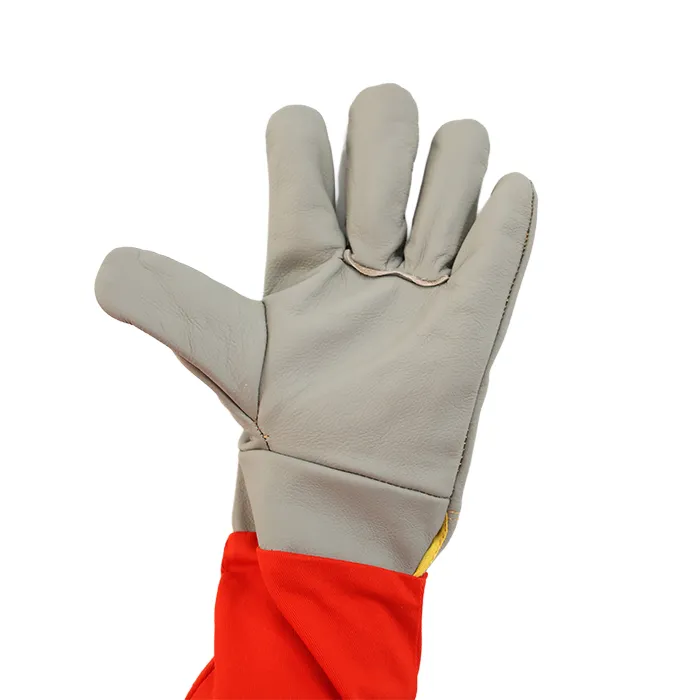
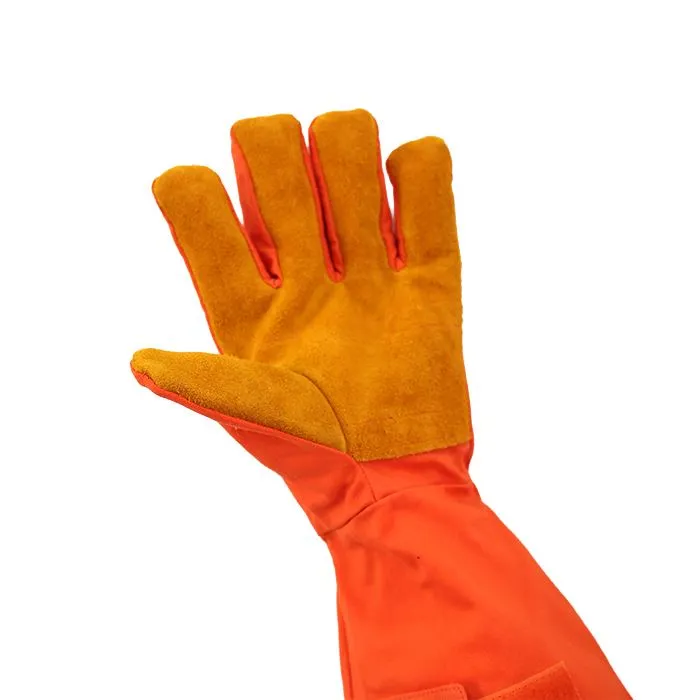
If you're in the market for high - quality firefighting gloves that can handle molten metal splashes, don't hesitate to reach out. We're here to help you make an informed decision and provide you with the protection you deserve. Contact us to start a procurement discussion and find out how our gloves can enhance your safety in the most challenging environments.
References
- "Firefighting Equipment: A Comprehensive Guide" by John Smith
- "Materials Science for Firefighting Gear" by Dr. Emily Brown
- Industry standards and regulations for firefighting gloves
Send Inquiry