


How does a firefighting blower contribute to the overall fire - fighting strategy?
Jul 16, 2026
Leave a message
A firefighting blower is an indispensable tool in modern fire - fighting strategies, playing a multifaceted role that enhances the effectiveness and efficiency of fire - fighting operations. As a supplier of high - quality firefighting equipment, including the Firefighting Blower, I have witnessed firsthand how these devices contribute to the overall fire - fighting strategy.
1. Creating a Firebreak
One of the primary contributions of a firefighting blower is its ability to create a firebreak. A firebreak is an area cleared of flammable materials that can stop or slow the spread of a wildfire. Firefighters can use blowers to direct high - velocity air at the base of the fire, blowing away dry leaves, grass, and other combustible debris. This action not only removes the fuel source but also creates a barrier that the fire cannot easily cross.
For instance, in a large - scale wildfire, firefighters can use blowers to clear a wide swath of land in front of the advancing fire. The strong airflow from the blower can reach deep into the underbrush, dislodging and dispersing small twigs and leaves. By creating a firebreak, the firefighters gain more time to plan and execute other fire - fighting measures, such as setting backfires or deploying water - based extinguishing agents.
2. Controlling Fire Direction
Firefighting blowers can also be used to control the direction of a fire. By directing the airflow, firefighters can push the fire away from sensitive areas, such as residential neighborhoods, critical infrastructure, or natural habitats. This is particularly useful in situations where the fire is spreading in an unpredictable manner.
Imagine a wildfire approaching a small town. Firefighters can use blowers to redirect the fire towards an area with less fuel or towards a pre - prepared firebreak. The high - velocity air from the blower can disrupt the normal convection currents of the fire, causing it to change direction. This ability to control the fire's path can significantly reduce the risk of property damage and loss of life.
3. Assisting in Water - based Firefighting
In addition to creating firebreaks and controlling fire direction, firefighting blowers can work in tandem with water - based fire - fighting methods. When water is applied to a fire, the blower can help to disperse the water more effectively. The airflow from the blower can break up large water droplets into smaller ones, increasing the surface area of the water and allowing it to evaporate more quickly.
This is especially important in forest fires, where the water may not reach all the areas of the fire due to thick vegetation. The blower can blow the water mist into the dense underbrush, reaching areas that are difficult to access with traditional water - delivery systems. Moreover, the blower can help to cool the surrounding air, reducing the intensity of the fire and making it easier for firefighters to approach and extinguish the flames.
4. Smoke Management
Smoke is a major hazard in fire - fighting operations. It can reduce visibility, cause respiratory problems for firefighters, and spread toxic fumes. Firefighting blowers can be used to manage smoke by blowing it away from the fire area and towards areas where it can be safely dispersed.
By creating a strong airflow, the blower can push the smoke up and away from the ground, improving visibility for firefighters. This is crucial for their safety and for the effective execution of fire - fighting operations. In some cases, the blower can also be used to create a "smoke curtain" to protect firefighters from the heat and flames.
5. Backpack - mounted Wind - powered Fire Extinguishers: A Portable Solution
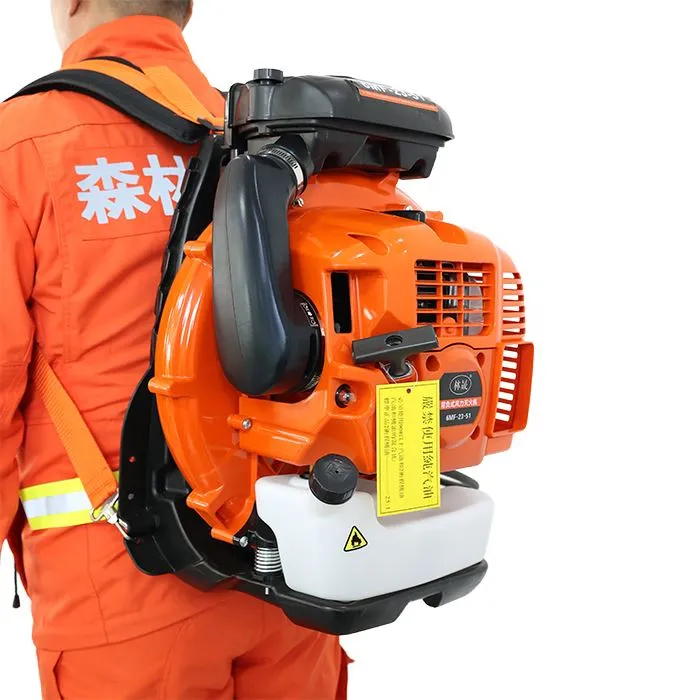
Our Backpack - mounted Wind - powered Fire Extinguisher offers a portable and efficient solution for fire - fighting in hard - to - reach areas. These devices are lightweight and easy to carry, allowing firefighters to quickly respond to small fires or to assist in larger fire - fighting operations.
The backpack - mounted design provides greater mobility, enabling firefighters to move through dense vegetation or difficult terrain. The high - velocity airflow generated by these extinguishers can quickly suppress small fires and prevent them from spreading. They are also useful for spot - firefighting, where small fires need to be extinguished before they can grow into larger, more dangerous blazes.
6. Power Scythes: Complementary Tools
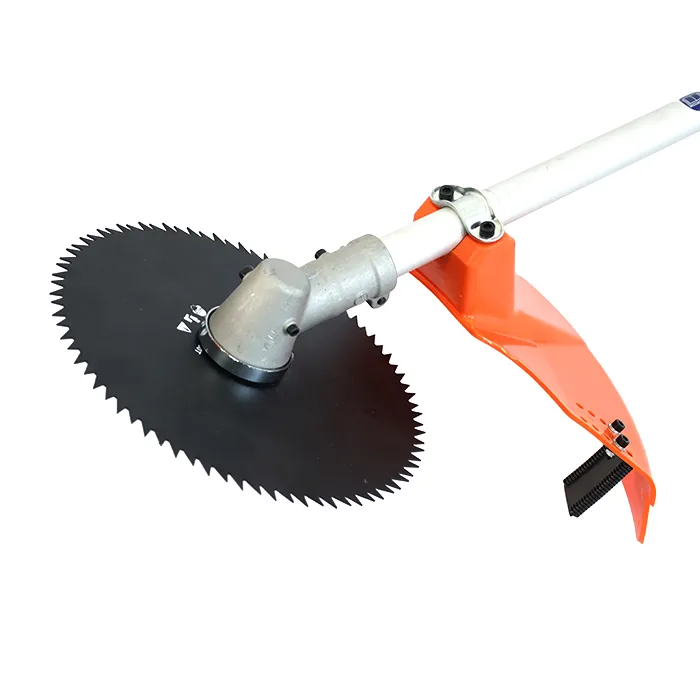
Another product in our range is the Power Scythe. While not a traditional blower, the power scythe can be used in conjunction with firefighting blowers to clear vegetation and create firebreaks.
The power scythe is a powerful tool that can cut through thick grass, bushes, and small trees. By clearing the vegetation, it reduces the fuel load in the area, making it easier for the blowers to create a firebreak. This combination of tools can significantly enhance the effectiveness of fire - fighting strategies, especially in areas with dense vegetation.
7. Environmental Considerations
In addition to their practical benefits, firefighting blowers also have environmental advantages. Compared to some traditional fire - fighting methods, such as using large amounts of water or chemical extinguishers, blowers have a relatively low environmental impact.
The use of blowers reduces the amount of water and chemicals released into the environment, which can be harmful to wildlife and ecosystems. By creating firebreaks and controlling the spread of fire, blowers can also help to protect natural habitats and reduce the long - term damage caused by wildfires.
8. Training and Safety
Proper training is essential for the effective and safe use of firefighting blowers. Firefighters need to understand how to operate the blowers correctly, including adjusting the airflow, directing the air, and maintaining the equipment.
Safety is also a top priority. Firefighters should wear appropriate protective gear, such as helmets, goggles, and fire - resistant clothing. They should also be aware of the potential hazards associated with using blowers, such as flying debris and the risk of being too close to the fire.
9. Conclusion and Call to Action
In conclusion, firefighting blowers are a vital component of modern fire - fighting strategies. They offer a range of benefits, from creating firebreaks and controlling fire direction to assisting in water - based firefighting and smoke management. Our company is committed to providing high - quality firefighting equipment, including the Firefighting Blower, Backpack - mounted Wind - powered Fire Extinguisher, and Power Scythe.
If you are interested in purchasing our firefighting equipment or learning more about how our products can contribute to your fire - fighting strategy, we encourage you to contact us for a detailed discussion. Our team of experts is ready to assist you in finding the right solutions for your specific needs.
References
- National Fire Protection Association. (2023). Firefighting Equipment Standards.
- International Association of Fire Fighters. (2023). Best Practices in Fire - Fighting Operations.
- United States Forest Service. (2023). Wildfire Management Guidelines.
Send Inquiry