


What are the differences between a regular hard hat and a rescue hard hat?
Aug 20, 2026
Leave a message
When it comes to head protection in various work environments, hard hats are essential safety gear. However, not all hard hats are created equal. In this blog, I'll delve into the differences between a regular hard hat and a rescue hard hat, sharing insights from my experience as a rescue hard hat supplier.
Design and Structure
Regular hard hats are commonly used in general construction sites, factories, and other workplaces where there is a risk of falling objects. They typically have a simple, dome - shaped design. The shell is made of materials like high - density polyethylene (HDPE) or fiberglass. The suspension system inside is designed to distribute the impact force evenly across the head when an object strikes the hat. This basic design is sufficient for most day - to - day work scenarios where the main threat is from small to medium - sized falling debris.
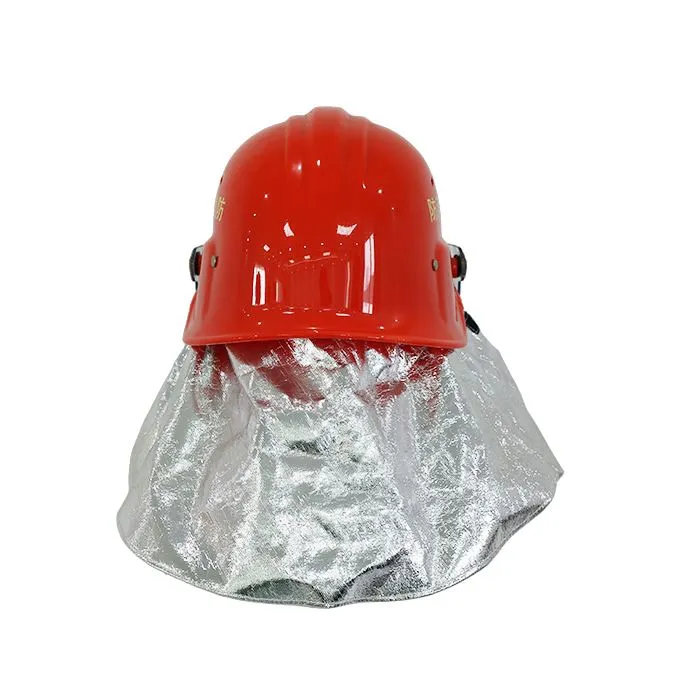
On the other hand, rescue hard hats are engineered with more complex designs. They are built to withstand a wider range of hazards. For example, the Rescue Hard Hat often has a more streamlined shape that allows for better movement in confined spaces. The shell may be made of advanced composite materials that offer higher levels of impact resistance and heat protection. The suspension system in a rescue hard hat is also more adjustable, enabling it to fit a wider variety of head shapes and sizes. This is crucial for rescue workers who may need to don the hat quickly and comfortably in high - stress situations.
Functionality and Features
Regular hard hats primarily focus on protecting the wearer from falling objects. They usually have a basic brim to shield the face from sunlight and small debris. Some may come with a chin strap for added security, but it is not always a standard feature.
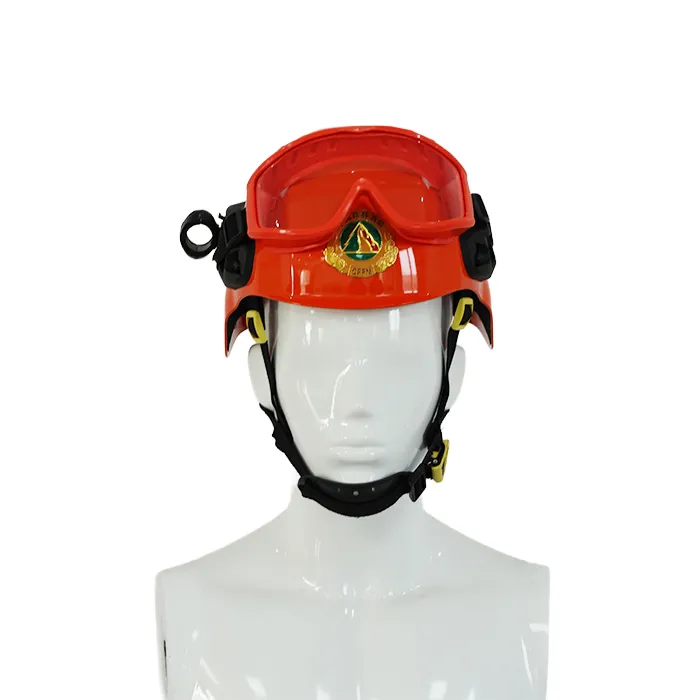
Rescue hard hats, in contrast, have a multitude of additional features. Many rescue hard hats are equipped with integrated lighting systems. This is extremely useful in low - light or dark environments such as collapsed buildings, mines, or forest areas at night. The lighting can help rescue workers see clearly and perform their tasks more effectively.
Another important feature is the ventilation system. Rescue operations can be physically demanding, and proper ventilation helps keep the wearer cool and comfortable. Some rescue hard hats also have attachment points for accessories like visors, ear protection, and communication devices. These attachments enhance the functionality of the hard hat and allow rescue workers to adapt to different situations.
Hazard Resistance
Regular hard hats are designed to protect against common workplace hazards such as falling tools, bricks, or small pieces of construction material. They are tested to meet certain safety standards for impact resistance, but their protection is limited to relatively low - energy impacts.
Rescue hard hats are built to withstand more severe hazards. For instance, in forest fire fighting, the Forest Fire Fighting Helmet needs to protect against high - temperature flames, flying embers, and falling branches. These helmets are made of fire - resistant materials and have special coatings to reflect heat.
In rescue operations after natural disasters like earthquakes or floods, the hard hats need to protect against sharp objects, heavy debris, and even electrical hazards. Rescue hard hats are often tested to meet higher safety standards for impact, penetration, and electrical insulation.
Comfort and Fit
Regular hard hats are designed to be worn for extended periods in relatively stable work environments. They are generally comfortable, but the fit may not be as precise as that of a rescue hard hat. The suspension systems in regular hard hats usually have a few adjustment points, but they may not be able to accommodate the rapid changes in head position and movement that rescue workers experience.
Rescue hard hats are designed with comfort in mind, especially considering the long and strenuous nature of rescue operations. The suspension systems are highly adjustable, allowing for a custom fit. They also use soft, breathable materials for the padding, which helps reduce discomfort and sweating. Additionally, the weight distribution of a rescue hard hat is carefully considered to minimize fatigue on the neck and shoulders.
Cost and Availability
Regular hard hats are widely available and relatively inexpensive. They can be found in most hardware stores and are often purchased in bulk by companies for general workplace use.
Rescue hard hats, due to their advanced features and higher - quality materials, are more expensive. They are typically sold through specialized safety equipment suppliers. However, the cost is justified by the enhanced protection and functionality they offer. As a rescue hard hat supplier, I understand the importance of providing cost - effective solutions without compromising on quality.
Use Cases
Regular hard hats are suitable for a wide range of industries, including construction, manufacturing, and warehousing. They are used in environments where the main risk is from falling objects and where the work is relatively predictable.
Rescue hard hats are specifically designed for emergency responders, including firefighters, search - and - rescue teams, and forest rangers. For example, the Forest Distribution Helmet is used by forestry workers who may be involved in wildfire suppression, tree felling, or other hazardous activities in forested areas.
In conclusion, the differences between a regular hard hat and a rescue hard hat are significant. While regular hard hats serve their purpose in general workplaces, rescue hard hats are essential for those who face more extreme and diverse hazards. As a rescue hard hat supplier, I am committed to providing high - quality products that meet the specific needs of rescue workers.
If you are in the market for rescue hard hats, whether you are part of a professional rescue team, a forestry department, or an organization involved in emergency response, I encourage you to get in touch with us for a detailed discussion about your requirements. We can provide you with the best solutions to ensure the safety and effectiveness of your operations.
References
- Safety Standards for Hard Hats, Occupational Safety and Health Administration (OSHA)
- Firefighting Equipment Manual, National Fire Protection Association (NFPA)
- Research on Head Protection in Rescue Operations, International Journal of Safety Research
Send Inquiry