


Can a chainsaw be used in wet conditions?
Aug 07, 2026
Leave a message
Can a chainsaw be used in wet conditions? This is a question that often comes up among those who rely on chainsaws for various tasks, whether it's professional logging, home improvement, or other cutting jobs. As a chainsaw supplier, I've encountered this query numerous times, and in this blog, I'll delve into the science behind using a chainsaw in wet conditions, the potential risks and benefits, and some best practices.
The Science Behind Chainsaw Operation in Wet Conditions
Chainsaws are mechanical devices that rely on a chain with sharp teeth to cut through wood. The chain is driven by a motor, which can be either gasoline - powered or electric. When it comes to using a chainsaw in wet conditions, the main concern is the effect of water on the chainsaw's components.
Gasoline - Powered Chainsaws
Gasoline - powered chainsaws are generally more suitable for wet conditions compared to electric ones. The internal combustion engine of a gasoline chainsaw is designed to operate in a relatively harsh environment. However, water can still pose some challenges.
Water can get into the fuel system, diluting the gasoline and causing the engine to run poorly. It can also rust the metal parts of the chainsaw, such as the chain and the bar. Rust can reduce the sharpness of the chain and increase friction, which not only makes the cutting process less efficient but also puts more strain on the engine.
Electric Chainsaws
Electric chainsaws are more vulnerable to water damage. Water can short - circuit the electrical components, leading to a malfunction or even a dangerous electrical shock. Even if the chainsaw is advertised as "water - resistant," it's important to note that this doesn't mean it can be fully submerged or used in heavy rain without risk.
Potential Risks of Using a Chainsaw in Wet Conditions
Safety Risks
One of the most significant risks of using a chainsaw in wet conditions is the increased likelihood of slipping. The wet surface of the wood or the ground can make it difficult to maintain a stable footing, increasing the risk of an accident. Additionally, the wet chain can be more difficult to control, and it may kick back more easily, which can cause serious injuries.
Equipment Damage
As mentioned earlier, water can cause rust and corrosion on the chainsaw's components. This can lead to premature wear and tear, reducing the lifespan of the chainsaw. In the case of electric chainsaws, water damage can be irreversible, rendering the chainsaw useless.
Benefits of Using a Chainsaw in Wet Conditions
Easier Cutting
Wet wood is often softer and easier to cut than dry wood. This means that the chainsaw may require less power to make a cut, which can be beneficial in terms of fuel consumption and wear on the engine.
Reduced Dust
When cutting dry wood, a significant amount of dust is generated, which can be harmful to the operator's health. Using a chainsaw in wet conditions can reduce the amount of dust in the air, creating a healthier working environment.
Best Practices for Using a Chainsaw in Wet Conditions
Gasoline - Powered Chainsaws
- Check the Fuel System: Before using the chainsaw in wet conditions, make sure the fuel system is sealed properly. You can also add a fuel stabilizer to prevent water from mixing with the gasoline.
- Dry the Chainsaw After Use: After using the chainsaw in wet conditions, dry it thoroughly. Pay special attention to the chain and the bar, as these are the parts most likely to rust.
- Use a Protective Cover: Consider using a protective cover for the chainsaw to prevent water from getting into the engine and other components.
Electric Chainsaws
- Avoid Using in Heavy Rain: Electric chainsaws should not be used in heavy rain or when the ground is flooded. If you need to use an electric chainsaw in damp conditions, make sure it is rated for such use and follow the manufacturer's instructions carefully.
- Keep the Chainsaw Dry: If the chainsaw gets wet, turn it off immediately and dry it thoroughly before using it again.
Our Chainsaw Products
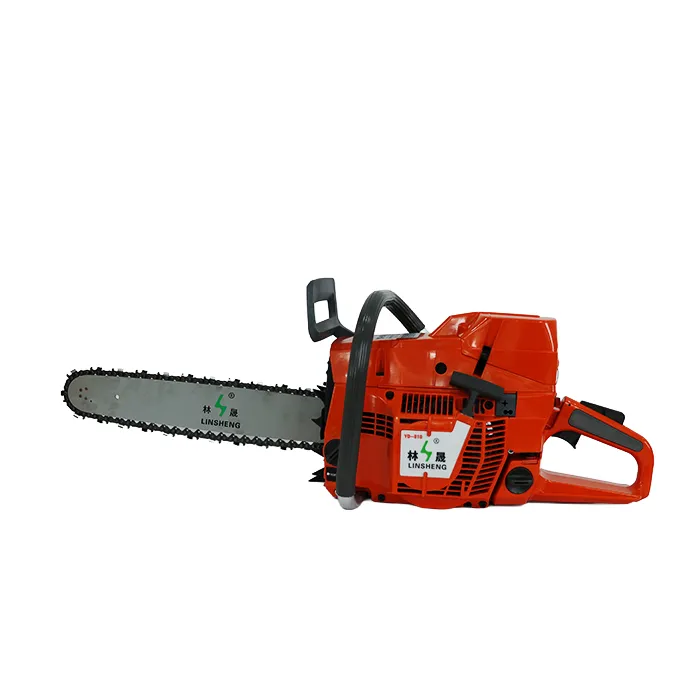
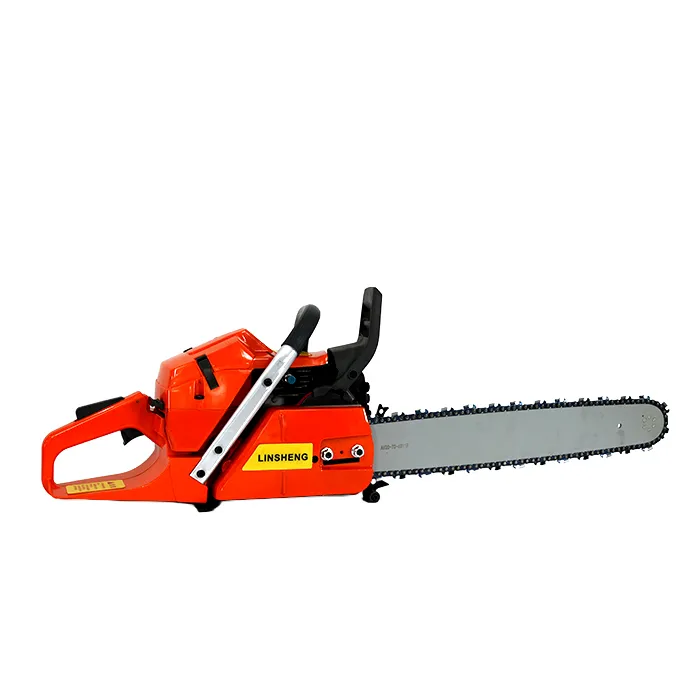
At our company, we offer a range of high - quality chainsaws suitable for different applications. Whether you're a professional logger or a DIY enthusiast, we have the right chainsaw for you.
- Professional Logging Chainsaw: This chainsaw is designed for heavy - duty logging tasks. It has a powerful engine and a sharp chain, making it ideal for cutting large trees in various conditions, including wet ones.
- Multi - functional Cutting Chainsaw: This chainsaw is versatile and can be used for a variety of cutting tasks, such as pruning, cutting firewood, and more. It's suitable for both wet and dry conditions.
- Logging Motorcycles: Although not a traditional chainsaw, logging motorcycles are useful for transporting logs in wet and muddy terrain. They can be a great addition to your logging equipment.
Conclusion and Call to Action
In conclusion, while it is possible to use a chainsaw in wet conditions, it comes with certain risks and requires proper precautions. Gasoline - powered chainsaws are generally more suitable for wet conditions than electric ones, but both types need to be maintained carefully to prevent damage.
If you're in the market for a chainsaw or related equipment, we're here to help. Our team of experts can provide you with more information about our products and help you choose the right chainsaw for your needs. Contact us today to start a procurement discussion and find the perfect chainsaw for your projects.
References
- Chainsaw Safety Manuals from leading manufacturers
- Technical research on chainsaw operation in different environments
Send Inquiry