


How do firefighting boots perform in snow?
Aug 10, 2026
Leave a message
Firefighting is a demanding profession that requires specialized equipment to ensure the safety and effectiveness of firefighters. Among the essential gear, firefighting boots play a crucial role, especially in challenging environments such as snow. As a supplier of high - quality firefighting boots, I have witnessed firsthand the performance of these boots in various conditions, including snowy terrains. In this blog, I will explore how firefighting boots perform in snow and why they are a vital investment for firefighters.
1. Insulation and Warmth
One of the primary concerns when working in snow is keeping the feet warm. Firefighting boots are designed with advanced insulation materials to provide excellent thermal protection. Most modern firefighting boots use materials like Thinsulate or other synthetic insulation. These materials are lightweight yet highly effective at trapping body heat and preventing cold air from penetrating.
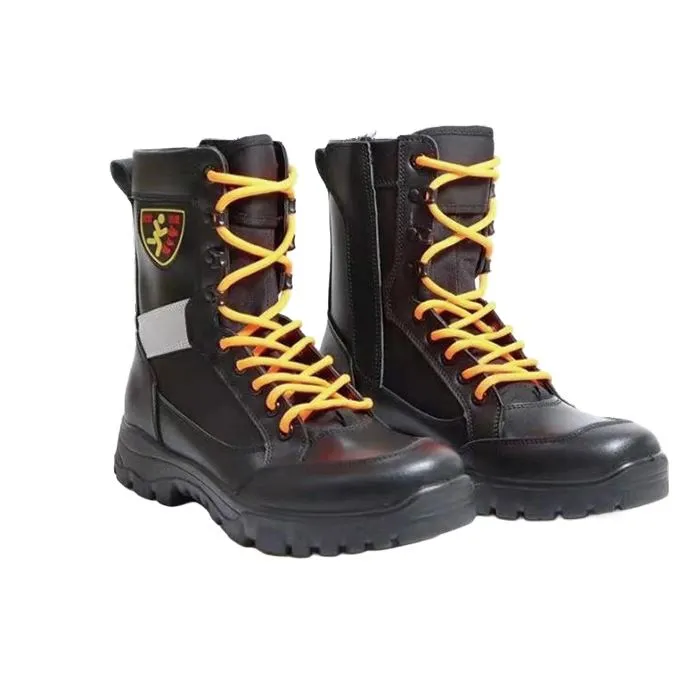
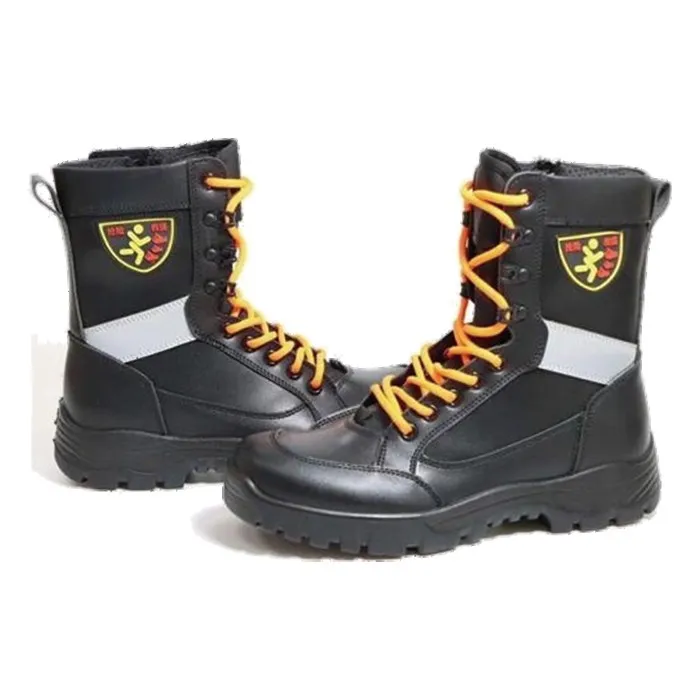
For example, our Firefighter Bunker Boots are equipped with a high - quality insulation layer. The insulation works by creating a barrier between the foot and the cold snow. It slows down the transfer of heat from the foot to the outside environment, keeping the feet warm even in extremely cold temperatures. This is crucial for firefighters who may have to stand in snow for extended periods during operations, such as vehicle extrications or wildfire suppression in winter.
2. Waterproofing
Snow is essentially frozen water, and keeping the feet dry is just as important as keeping them warm. Firefighting boots are built with waterproof materials to prevent snow and meltwater from seeping in. The outer layer of the boots is typically made of water - resistant leather or synthetic materials that have been treated with waterproof coatings.
Our Rescue Boots feature a waterproof membrane that acts as a barrier against moisture. This membrane allows the feet to breathe while preventing water from entering. When firefighters are walking through deep snow, the waterproof feature ensures that their feet remain dry. Wet feet can lead to a variety of problems, including frostbite and trench foot, which can severely affect a firefighter's ability to perform their duties.
3. Traction
Walking on snow and ice can be extremely slippery, posing a significant risk of falls and injuries. Firefighting boots are designed with specialized outsoles to provide excellent traction on snowy and icy surfaces. The outsoles are made of rubber compounds with deep tread patterns.
The tread patterns are designed to grip the snow and ice, providing stability and preventing slips. For instance, our High - temperature Resistant Fire Boots have a unique tread design that channels water and snow away from the sole, maintaining contact with the ground. This is especially important when firefighters are climbing ladders, moving equipment, or performing other tasks on slippery snow - covered surfaces.
4. Durability
Snowy environments can be harsh on equipment, and firefighting boots need to be durable enough to withstand the rigors of the job. The materials used in the construction of firefighting boots are chosen for their strength and resistance to wear and tear.
The upper part of the boots is often made of thick, high - quality leather or synthetic materials that can withstand abrasion from snow, ice, and other debris. The stitching and seams are reinforced to prevent them from coming apart under stress. This durability ensures that the boots can last through multiple seasons of use in snowy conditions, providing long - term value for firefighters and fire departments.
5. Mobility and Flexibility
Despite the need for insulation, waterproofing, and durability, firefighting boots also need to allow for mobility and flexibility. Firefighters need to be able to move quickly and perform a variety of tasks, even in snow.
Modern firefighting boots are designed with ergonomic features to ensure a comfortable fit and easy movement. The boots are contoured to the shape of the foot, allowing for natural flexion at the ankle and toes. This flexibility is essential for activities such as running, climbing, and kneeling, which are common in firefighting operations.
6. Compatibility with Other Gear
Firefighters often wear other protective gear, such as bunker pants and turnout coats. Firefighting boots need to be compatible with this gear to ensure a seamless and effective ensemble.
Our boots are designed to work in harmony with other firefighting equipment. They can be easily paired with bunker pants, and the height of the boots provides additional protection for the lower legs. This compatibility ensures that firefighters can focus on their tasks without having to worry about the fit or functionality of their gear.
7. Maintenance
Proper maintenance is essential to ensure the continued performance of firefighting boots in snow. After each use in snowy conditions, the boots should be cleaned and dried thoroughly. This helps to prevent the growth of mold and mildew, which can damage the materials and reduce the effectiveness of the boots.
The waterproof coating on the boots may need to be reapplied periodically to maintain its effectiveness. Additionally, the outsoles should be inspected for wear and tear, and if necessary, replaced to ensure continued traction.
8. Cost - effectiveness
Investing in high - quality firefighting boots is a cost - effective decision in the long run. While the initial cost of these boots may be higher than standard footwear, their durability and performance mean that they will last longer and require fewer replacements.
Fire departments can save money in the long term by purchasing boots that are designed to withstand the challenges of snowy environments. Additionally, the safety and comfort provided by these boots can reduce the risk of injuries and downtime for firefighters, which can also result in cost savings.
Conclusion
In conclusion, firefighting boots perform exceptionally well in snow due to their insulation, waterproofing, traction, durability, mobility, compatibility with other gear, and ease of maintenance. As a supplier of firefighting boots, I am committed to providing products that meet the highest standards of quality and performance.
If you are a fire department or an individual firefighter looking for reliable and high - performing firefighting boots for use in snow, I encourage you to contact us for a detailed discussion. We can provide you with the information you need to make an informed decision and ensure that you have the best gear for the job.
References
- ASTM International. (2019). Standard Specification for Structural Fire Fighting Boots. ASTM F2413 - 18.
- National Fire Protection Association. (2018). NFPA 1971: Standard on Protective Ensembles for Structural Fire Fighting and Proximity Fire Fighting.
Send Inquiry